They are moving in the right direction. Kawasaki is the first motorcycle manufacturer to acknowledge that the other half of the world’s possible motorcycle riders even exist.
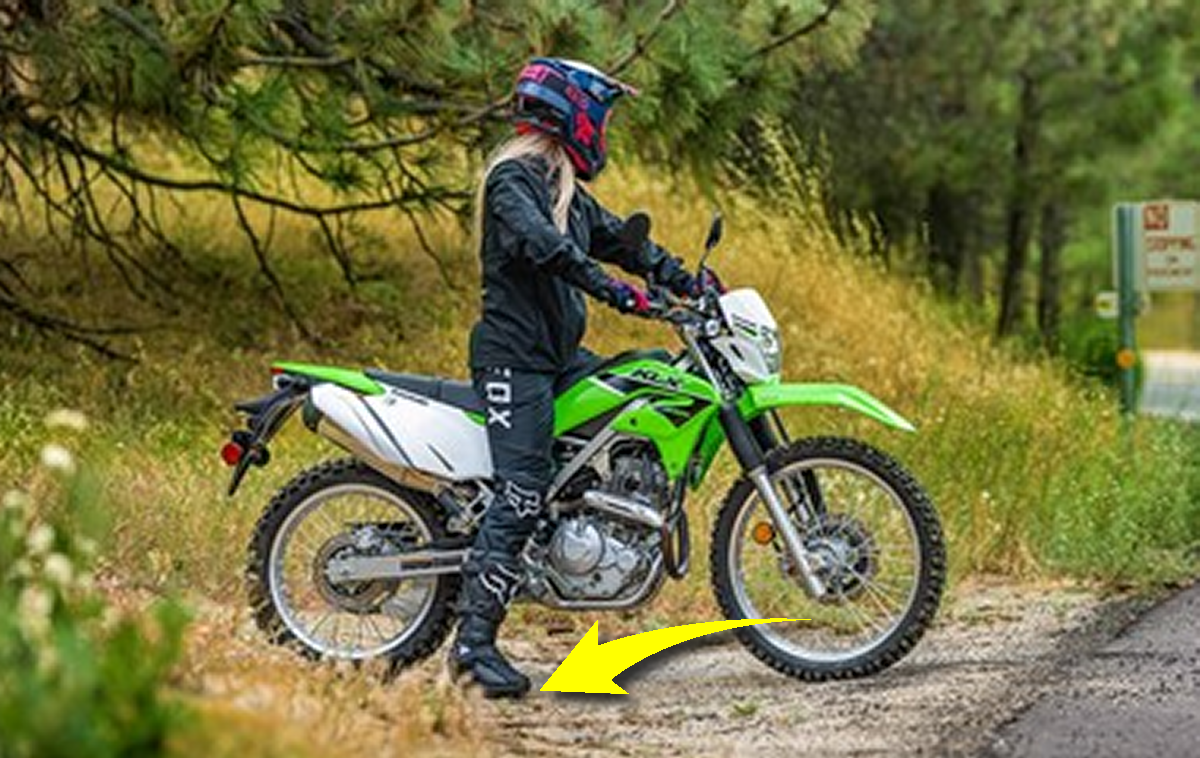
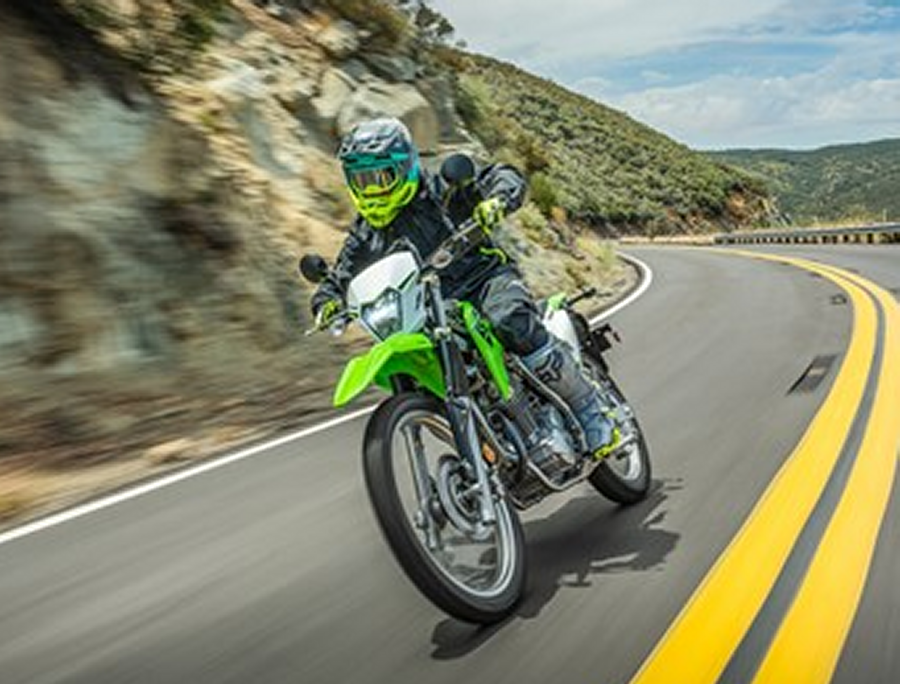
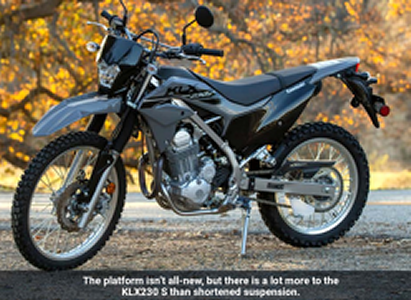
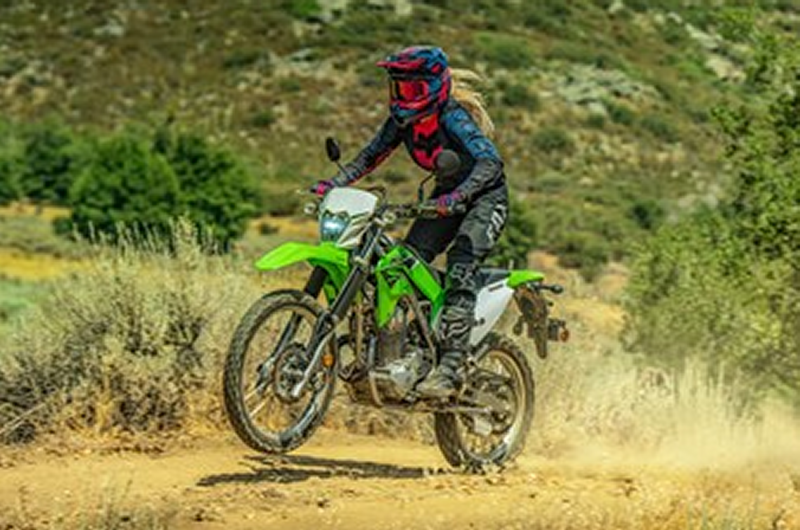
The 2023 Kawasaki KLX230 S
They have spent the necessary R&D time to make a properly suspended low-seat height all-purpose motorcycle that will fit most short-inseam riders all over the world.
Finally, someone is getting the idea that there is an expansive segment of riders that are not comfortable with the standard seat height of motorcycles. I have been reporting this huge oversight to the motorcycle manufacturers since Honda adopted my original design modifications for their trail bike many years ago, leading to the first two-wheeled ATV.
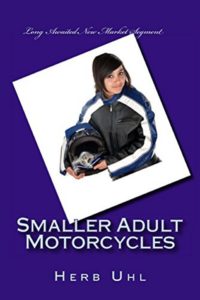
Enter Kawasaki’s KLX230 S for 2023 which has adopted some of the ideas I presented in my 2016 Smaller Adult Motorcycles: Long Awaited New Market Segment book. I am pleased that someone answered the call. This should lead to making the motorcycle market more accessible to riders who have waited in the wings for a more safe-feeling ride on a bike that will accommodate a shorter inseam.
The official word from the Kawasaki team is, “A deeper dive into the data showed an opportunity to satisfy more potential customers by prioritizing lower seat height. With this, we also recognized that it was critical to stay authentic to the KLX concept by offering a lower seat height while maintaining true dual-sport capability.”
They also took another look at the off-road suspension system and conducted a redesign of it to mitigate the spectrum of small bumps in the road as well as rugged off-road terrain challenges affecting both front and rear suspension.
Cycle News field tested and featured the 2023 Kawasaki KLX230 S in its January 24, 2023, issue and demonstrated its ability to enthusiastically impress an avid rider with a 31.5-inch inseam.
Following is the road test from Cycle News that tells all about it:
According to the reviewer, “The KLX230 is certainly a beginner’s friend,” adding that it will appeal to advanced riders as well because, “the devil horns will pop out real quick and the progressive suspension will invite you to push harder.” Adding that, the bike will offer a thrilling experience for “more experienced riders who perhaps don’t have the mobility to throw a leg over an XR400.”
Now what Kawasaki needs to do is make a dedicated frame for their motorcycles built for smaller adults. By making this move, they can have a fully plush seat height of 28 inches and easily provide for almost all of us short-inseam people.
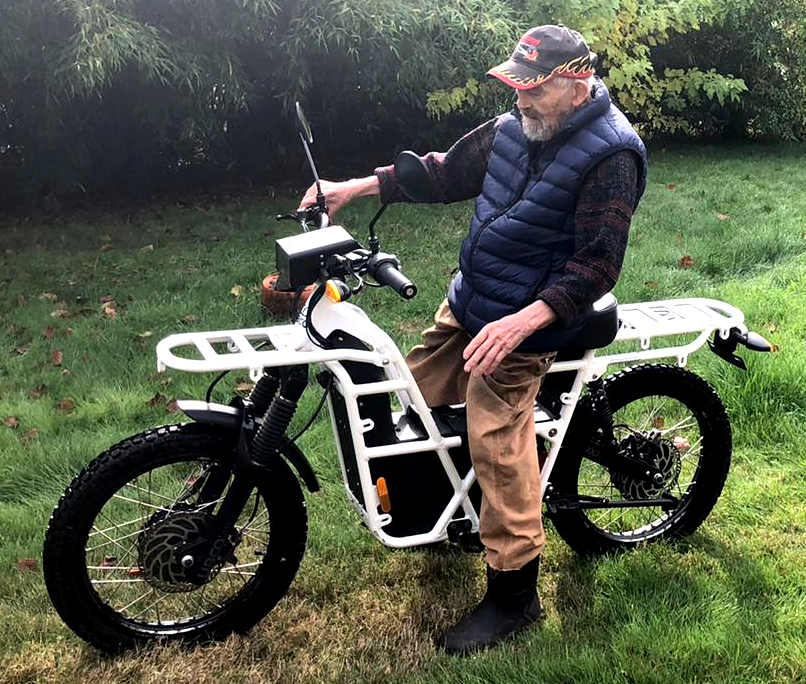
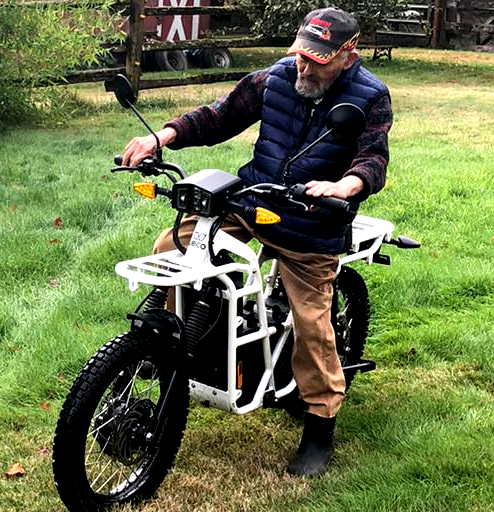
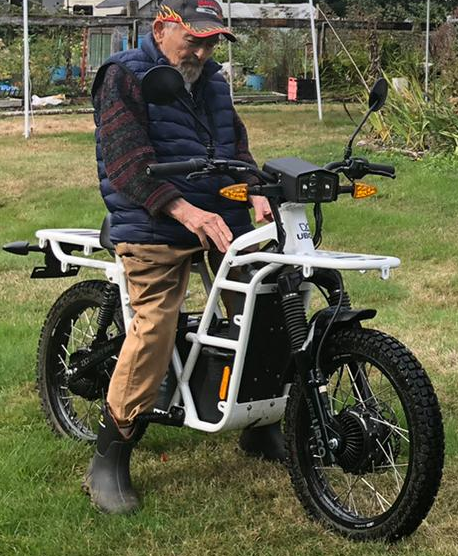
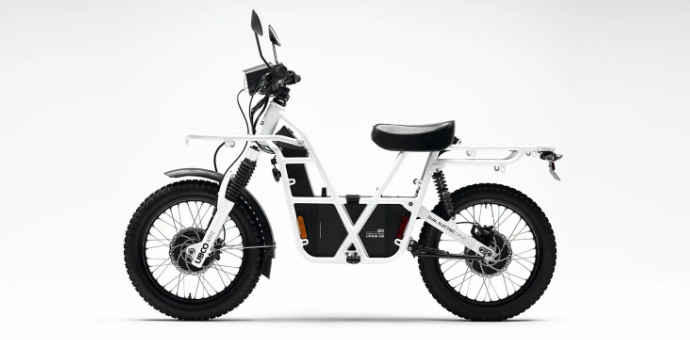
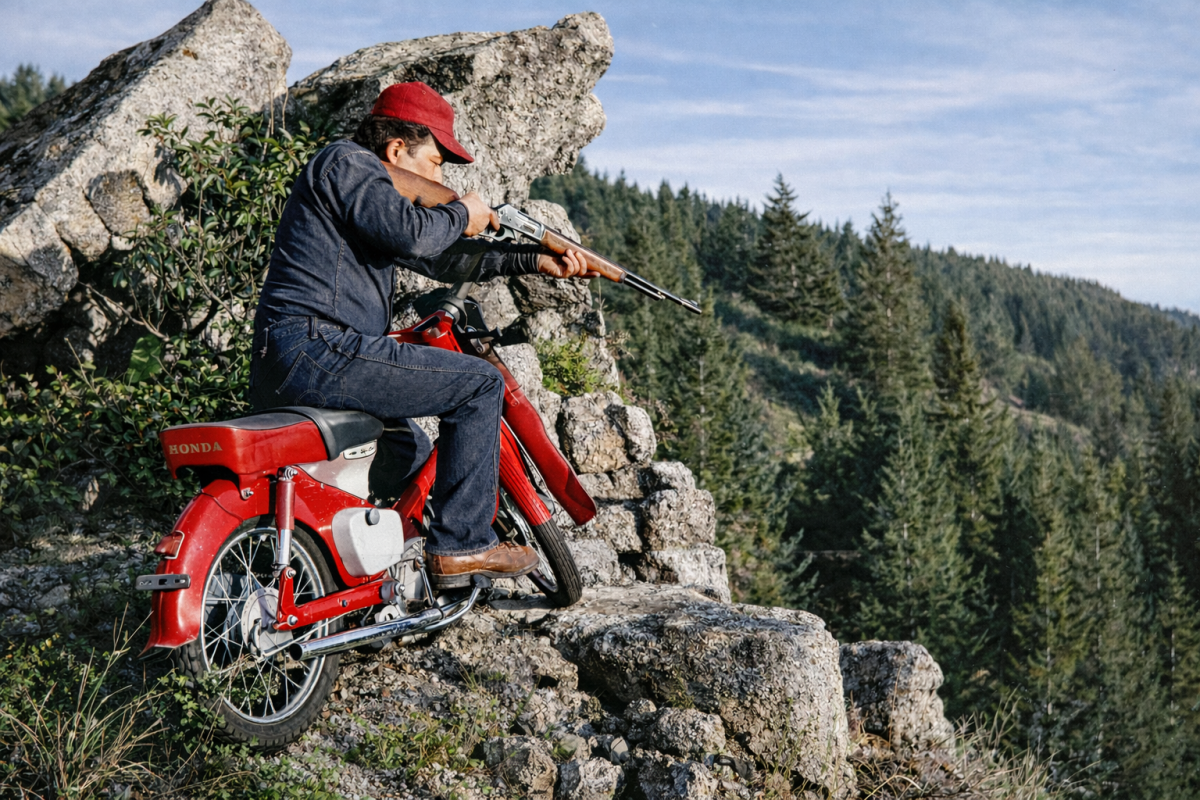
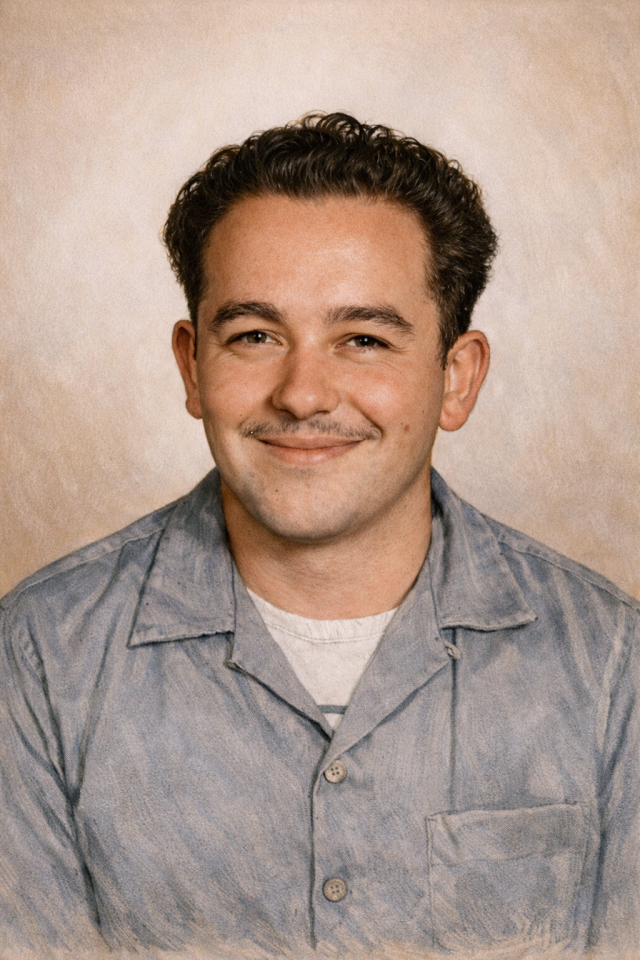
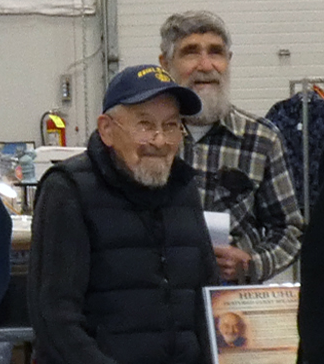
Herb Uhl reviews UBCO’s Electric Trail Adventure Bike. The new company sought Uhl’s opinion of their latest model as he was the inventor of the first 2-wheeled ATV in the fifties. Herb’s design spawned a whole series of trail bikes from Honda.
Herb Uhl’s review follows:
I got to try out UBCO’s 2-wheel drive trail-utility bike with an electric motor in each wheel. The brand manufactures their units in New Zealand.
Their electric trail bike had enough battery for 2 to 3 hours of trail use, depending on how hard you ride it.
The bike was very well built with beautiful welds and well worked out controls.
What I most liked about both wheels pulling is that no leaning was necessary and at almost 0 speed, I could pick my way around most trail junk with almost no effort.
Most of the weight of the bike was that stupid battery.
Electric in-wheel is perfect for a trail bike, just like electric power to all wheels makes sense in a car or pickup. What does not make sense is getting electric power from a battery.
I know you have all seen lightning, so we all know we are surrounded with electric power. Since it exists, it can be harvested.
There are two problems with that; 1) No one has figured out a way to charge us for all that free power, 2) It would add to our freedom, and that must be squelched at all costs.
One of the first things to change when society goes the way of the do do bird, is we will be able to harvest that unlimited energy at the point of use.
My research shows that a small module that weighs 5 pounds or less would provide all the energy a trail bike needs, and you would never run out of fuel.
You think it’s not possible?
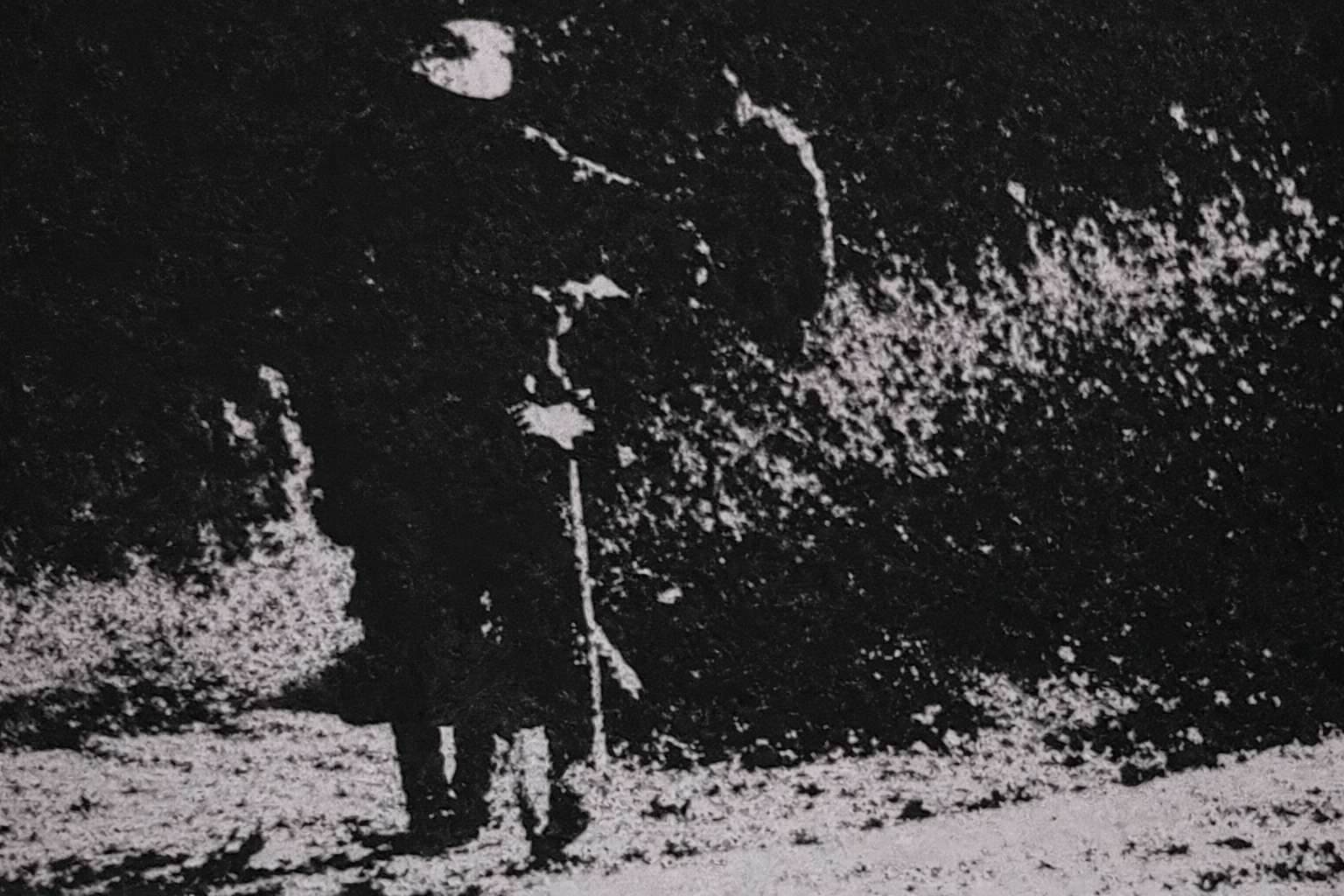
Nikola Tesla introduces battery-free electric powered car in 1931
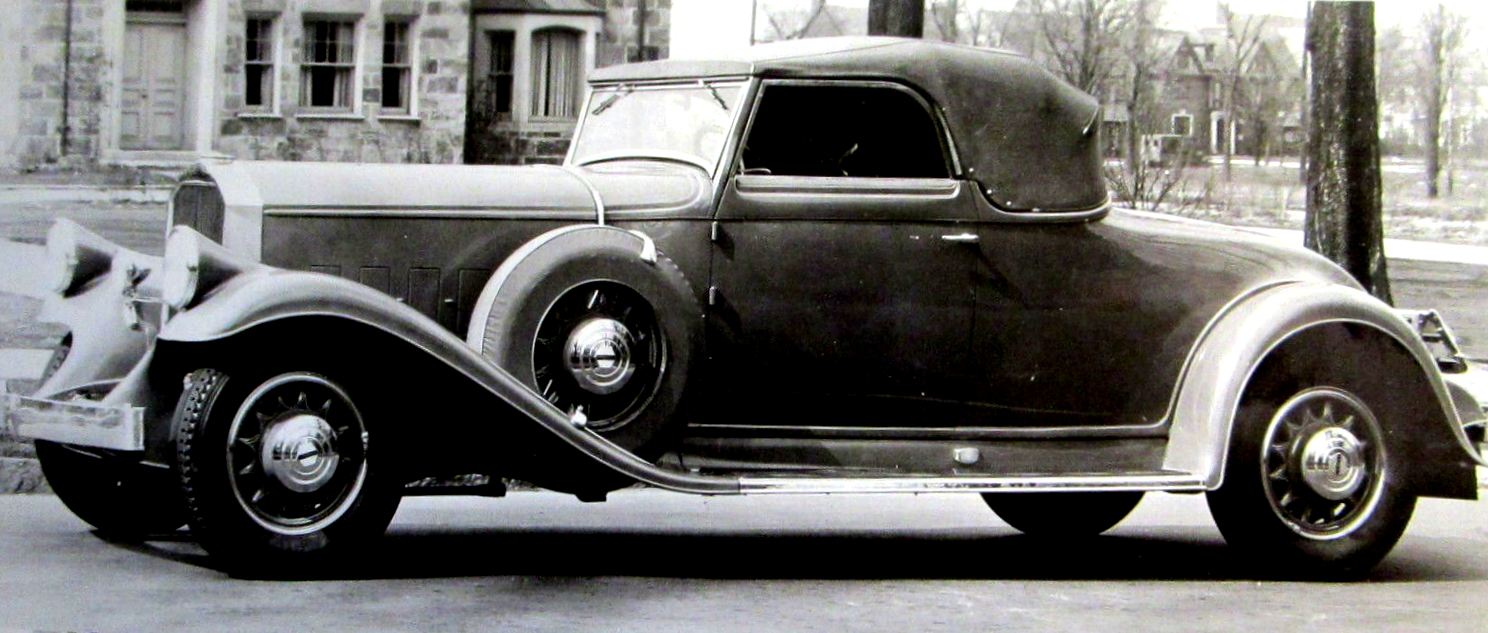
In 1931 Nikola Tesla ran a Pierce-arrow that had been converted to a Westinghouse electric motor, around the Buffalo/New York-area for several hours, sometimes at speeds of up to 90 miles per hour.
The car had no batteries allowed and a witness said Nicola only took a rather large black box with him, hooked up some wires, and away they went.
Do you suppose Dr. Tesla was harvesting electrical energy at the point of use?
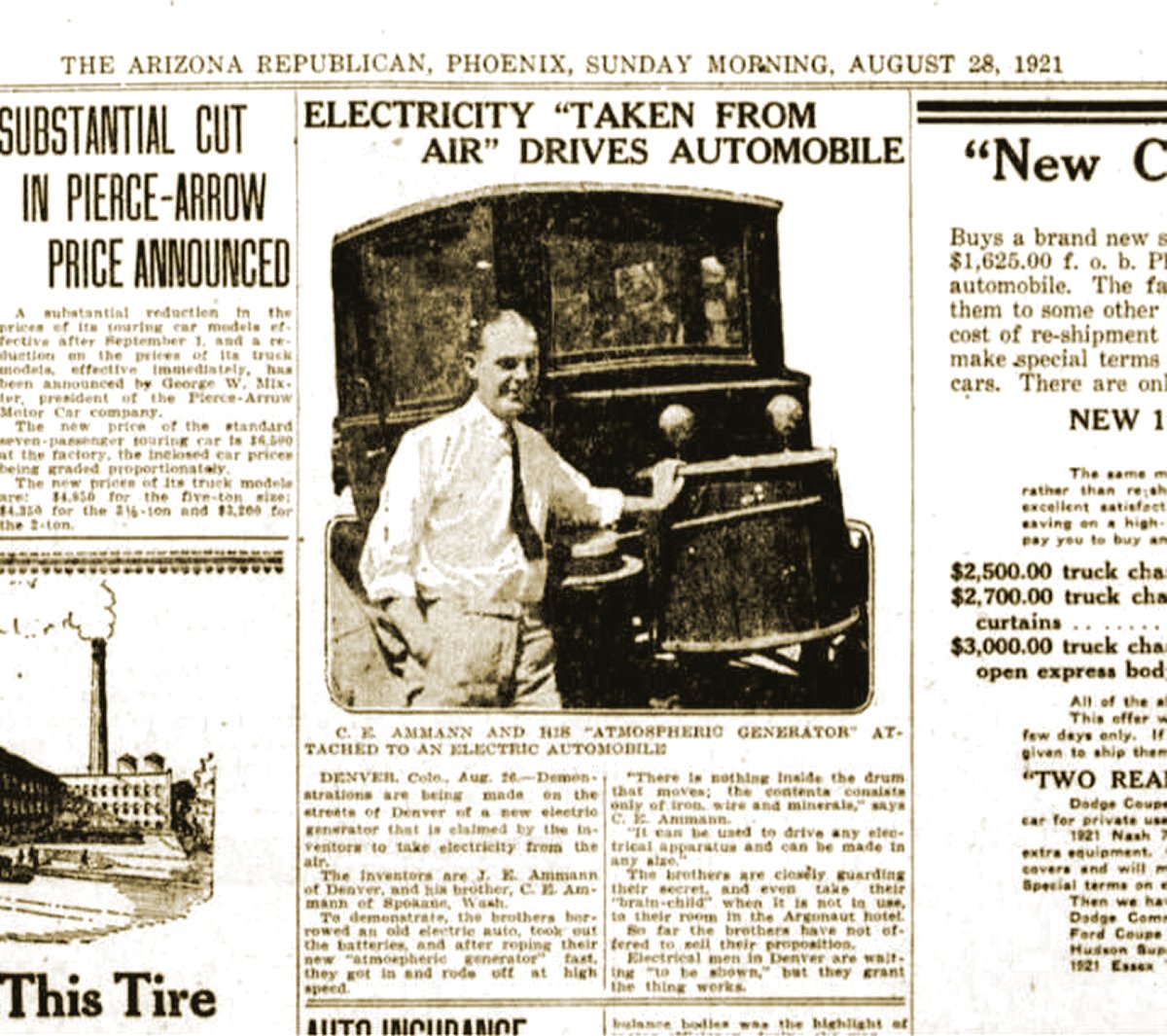
10 years before Tesla, brothers introduce electric car powered by atmospheric energy.
Electric cars running on atmospheric electricity were introduced as early as 1921, ten years before the Tesla run.
Tesla’s first experimental electric car project was built in 1897, did not have a storage battery, and never had to stop at a service station. The only mechanical moving parts in his car were the wheels and steering apparatus. Tesla used a new kind of primary battery. The battery could power the car for 500 miles, then could be simply roadside replaced in less than a minute.
The only thing that keeps us from harvesting energy at our homes or on vehicles now is various varieties of greed.
According to stats from UBCO, the all-wheel drive 2×2 electric bike weighs in a 330 lbs., has a 75-mile range, and can operate up to 6 hours with its 3.1kWh battery on a full charge.
Given that Honda and Yamaha’s earliest attempts at racing machinery were designed to be used on the rugged dirt-surfaced courses in Japan like Asama Mountain, they were off-roaders as much as road racleers – street scramblers, if you like, and often shod with knobby tires.
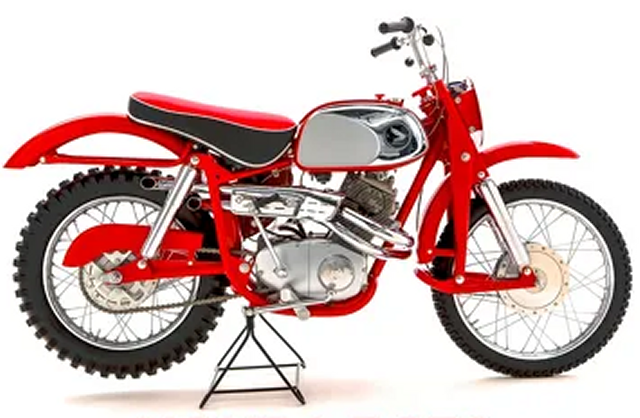
The German Adler Cross scrambler may or may not have provided the inspiration for the Honda RC70 – it depends who you ask. This particular restoration belongs to Dutch spare parts company, CMS. Photography by CMS
It was not until the early ‘60s that the designs became slightly more refined (coincidentally with the increased popularity of motocross in Japan as a result of Australian Tim Gibbes’ Racing Schools conducted there from 1963). But back in 1957, what Honda offered the budding racer was what the factory termed the RC70F, a 250cc twin using the C70 (and later C71) engine, which had the “rotary” gear box favored by several of the Japanese manufacturers. This had first gear at the bottom of the shift pattern, followed by neutral, followed (if the rider kept pressing downwards) top gear and so on.
The RC70 was offered for sale in Japan as early as 1958, and one school of thought has it that the overall look was influenced by the German Adler Cross Scrambler. The two certainly shared many similarities, notably the long-travel leading-link front suspension and the wide cradle tubular steel frame. The frame itself is remarkably similar to the Adler. The RC70 was available with or without lighting.
Of course, the late ‘50s was also the period when Honda was keenly eyeing the U.S. market, taking the significant step of setting up their own distribution center in California-American-Honda in early 1960.
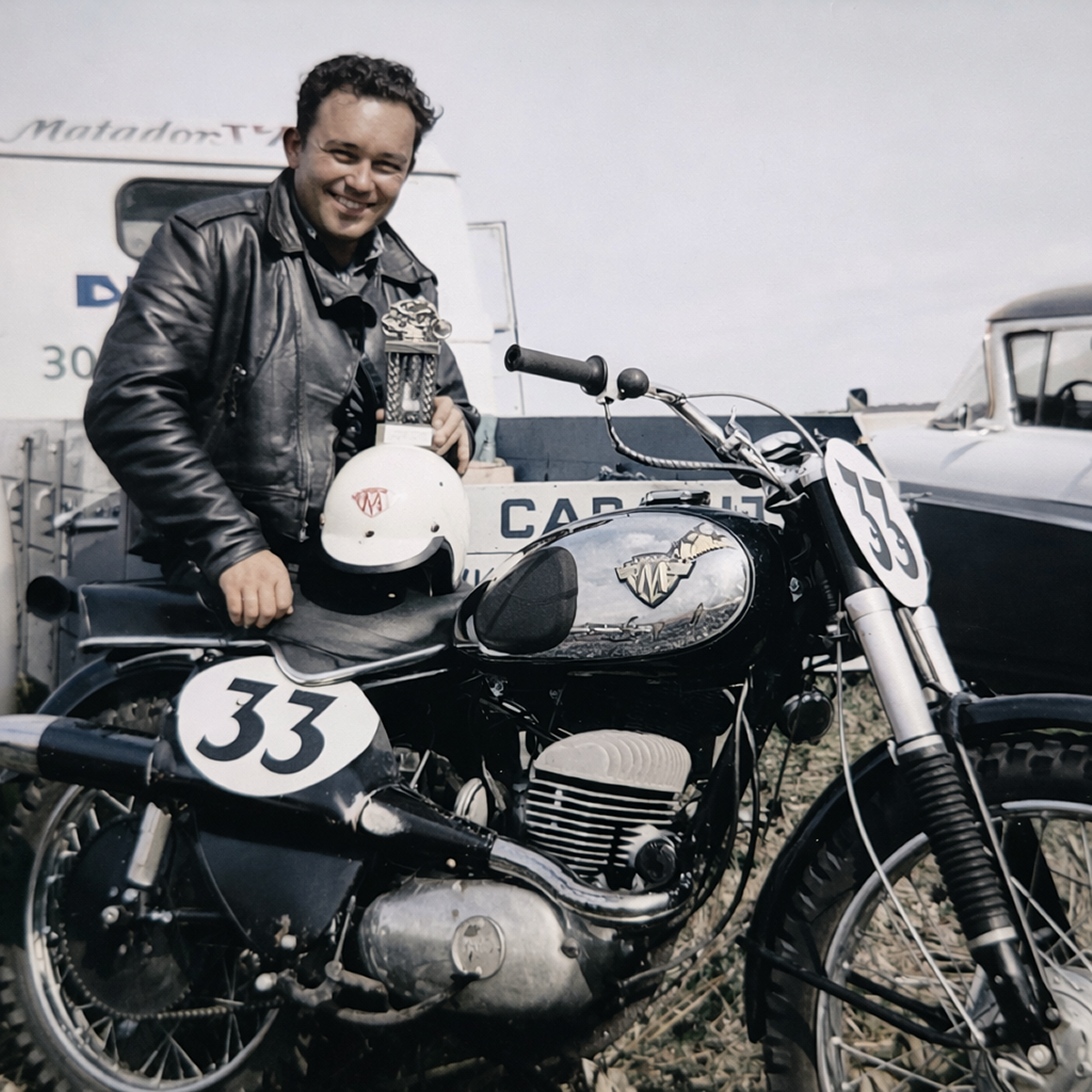
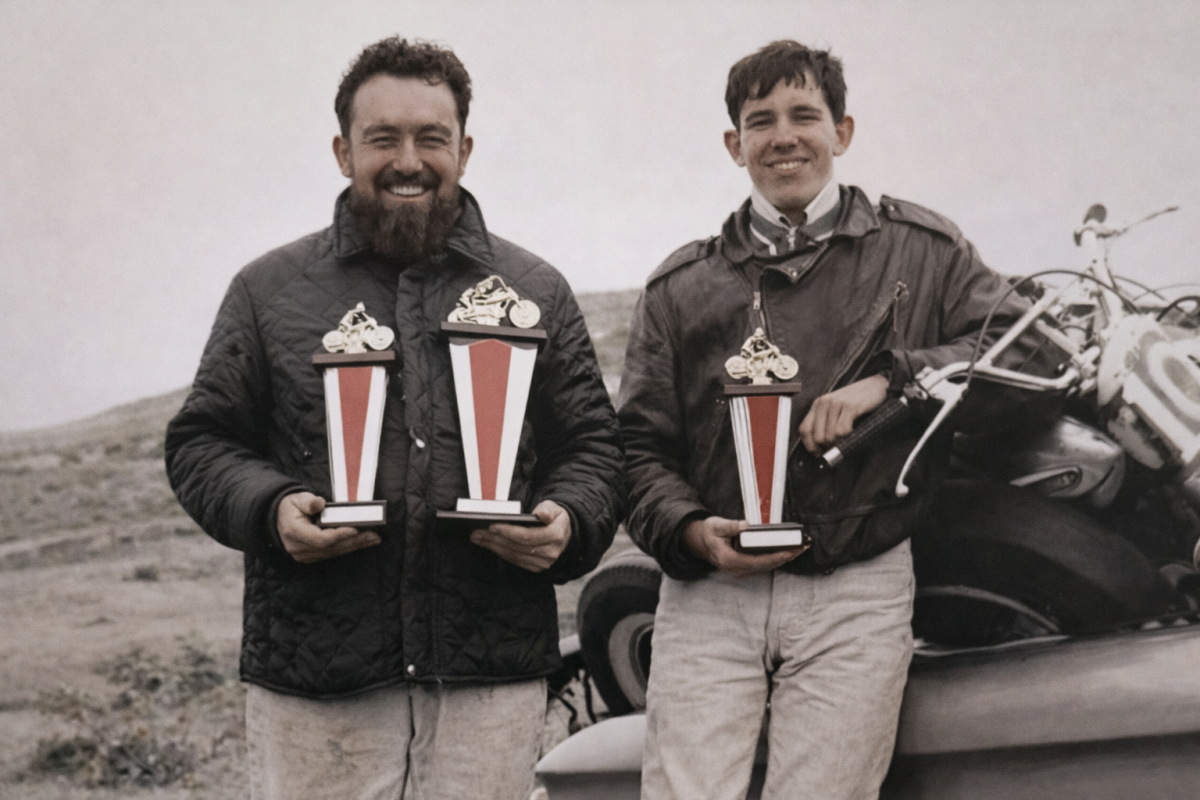
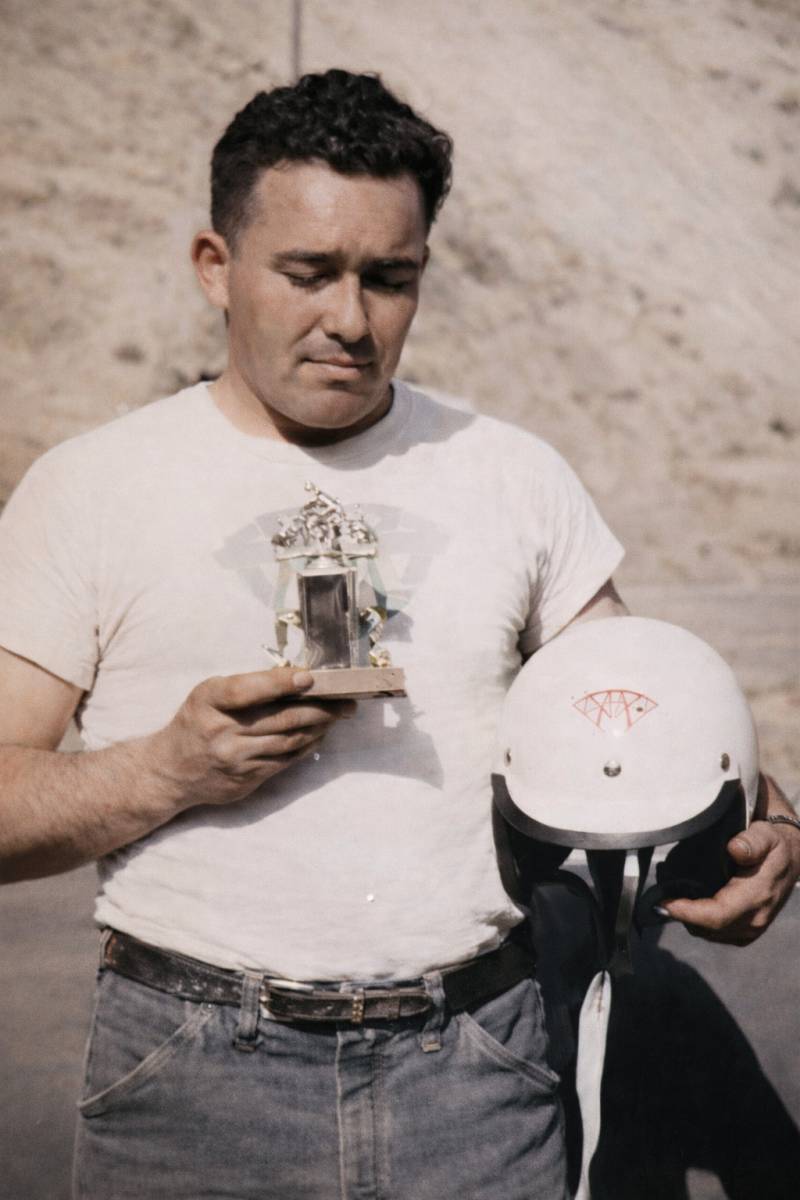
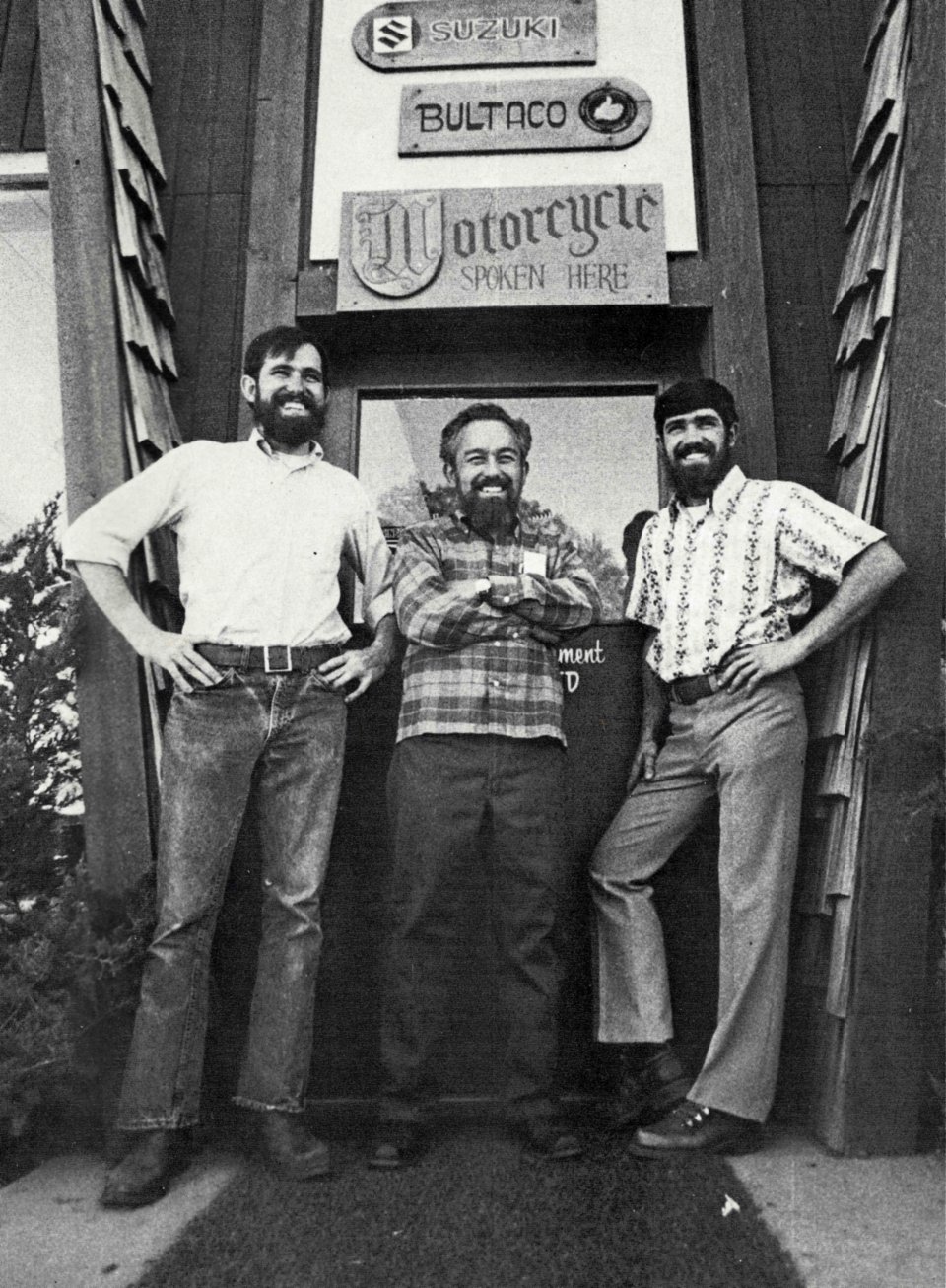
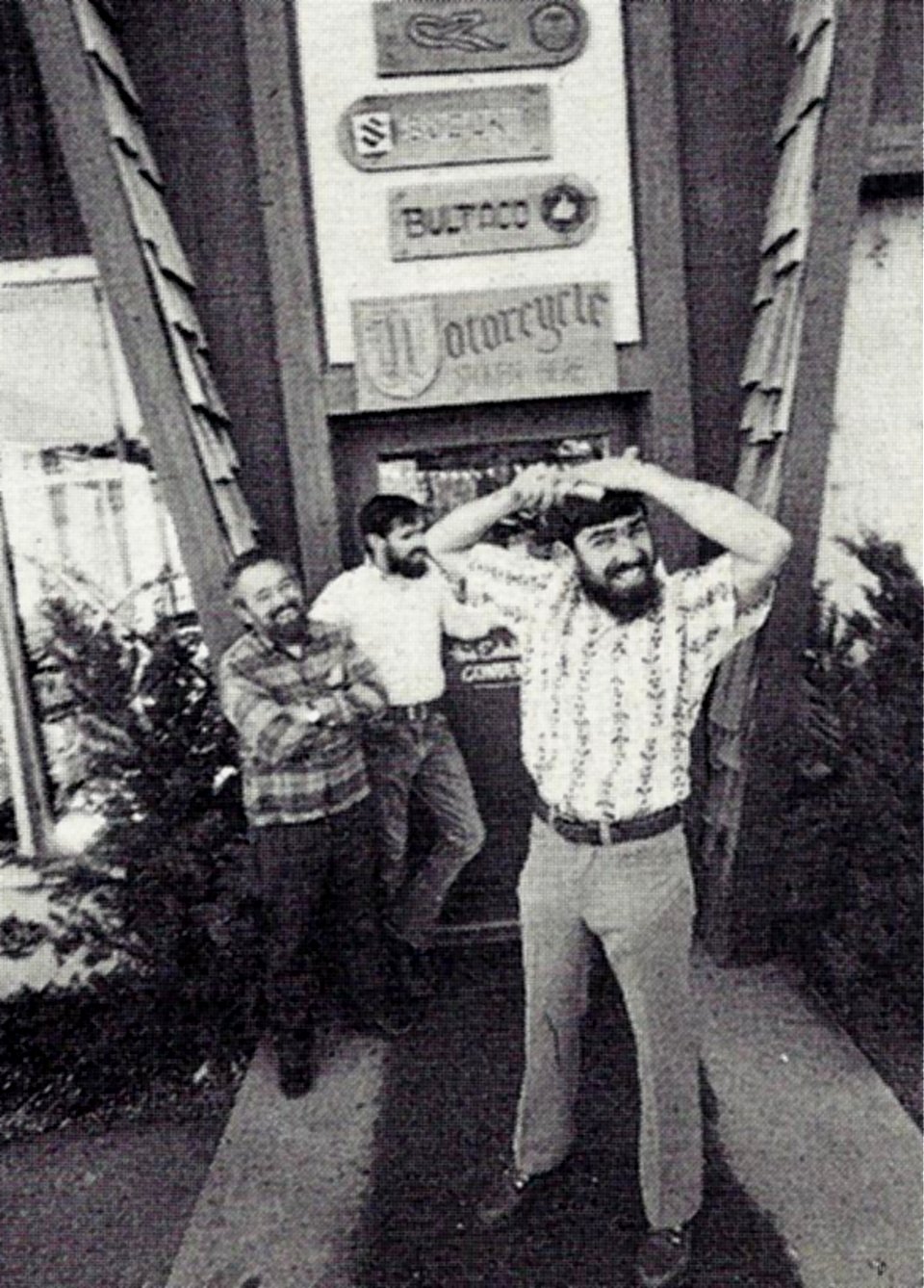
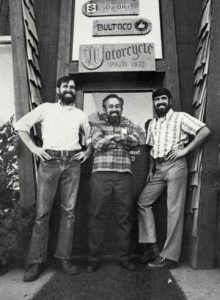
Herb Uhl Herco Engineering, Boise
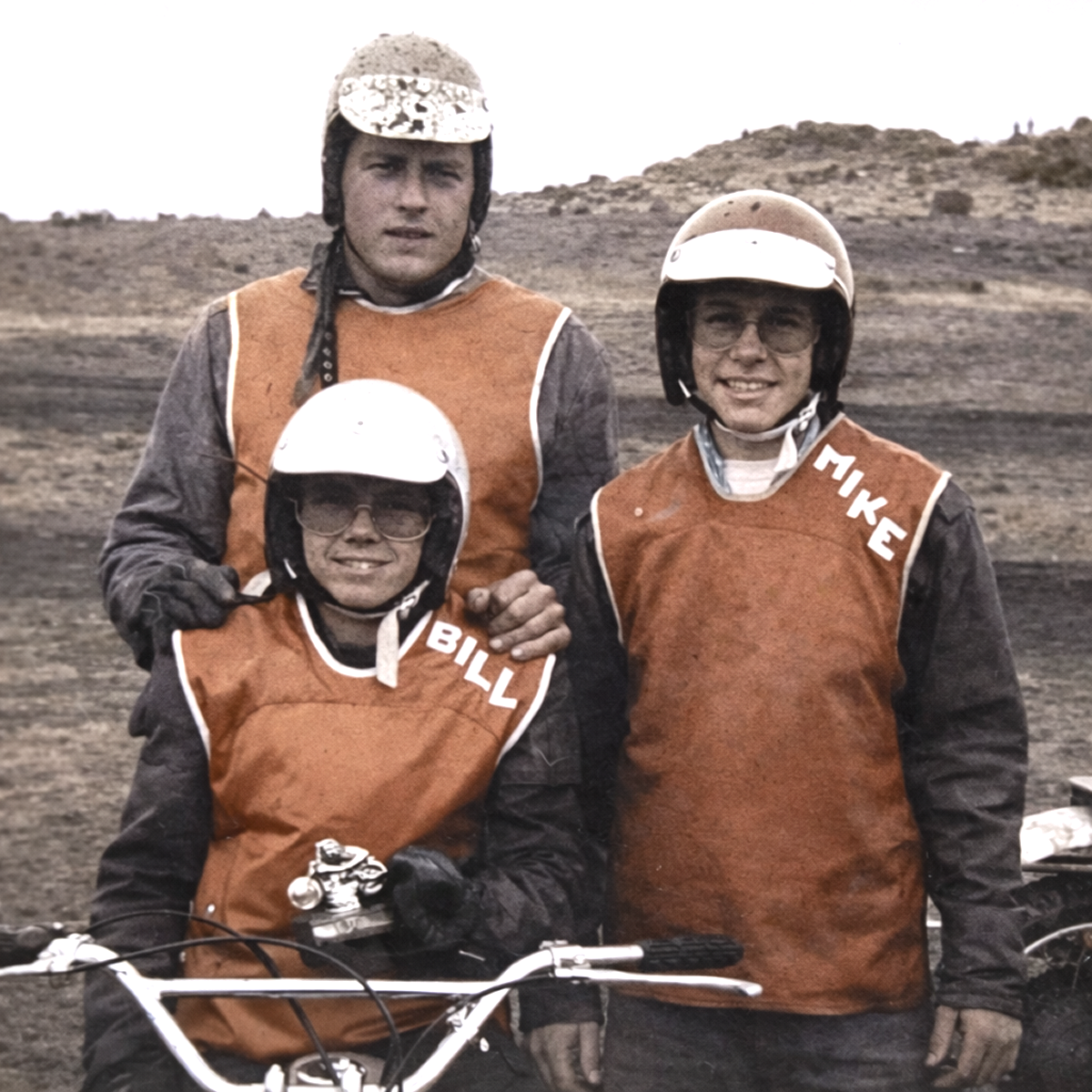
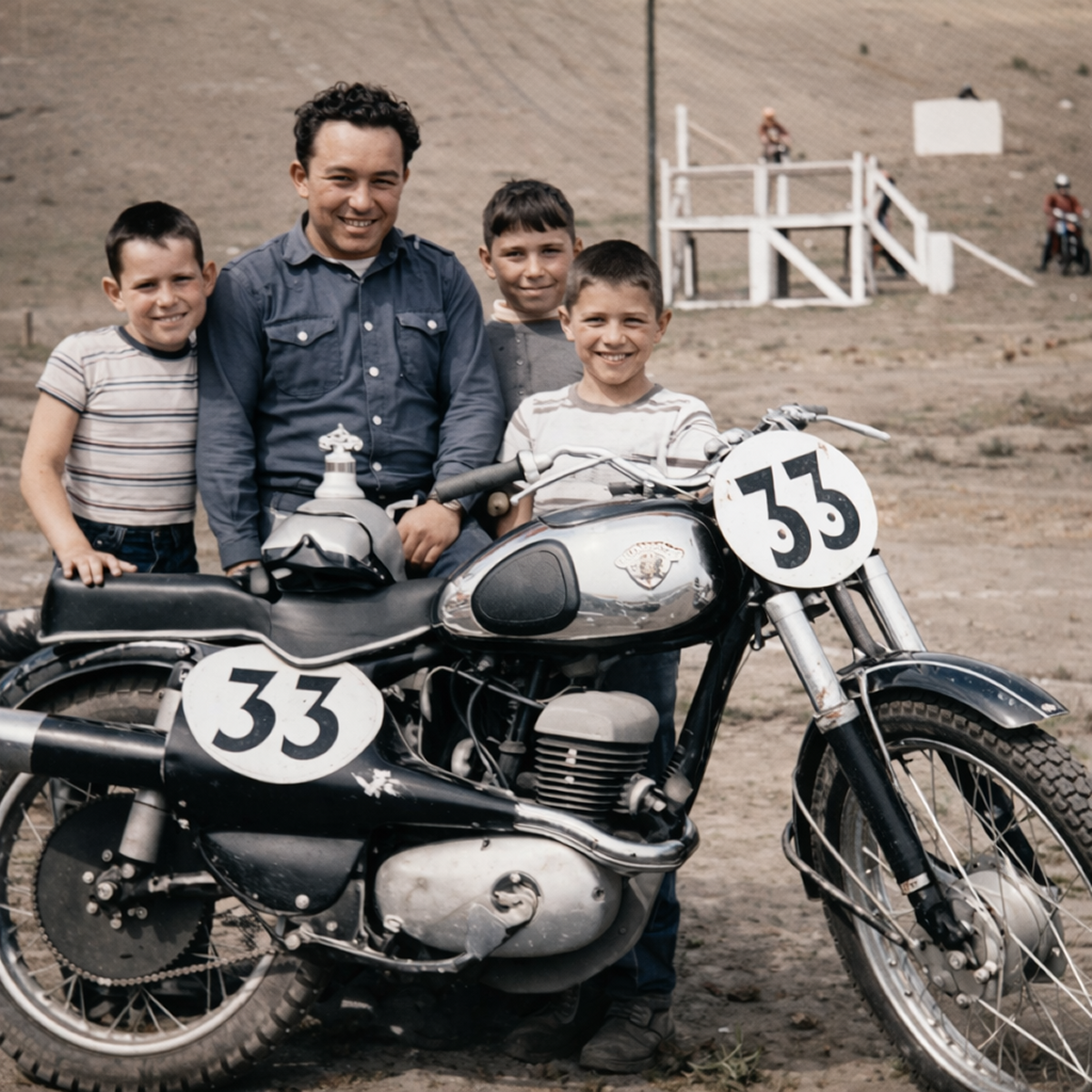
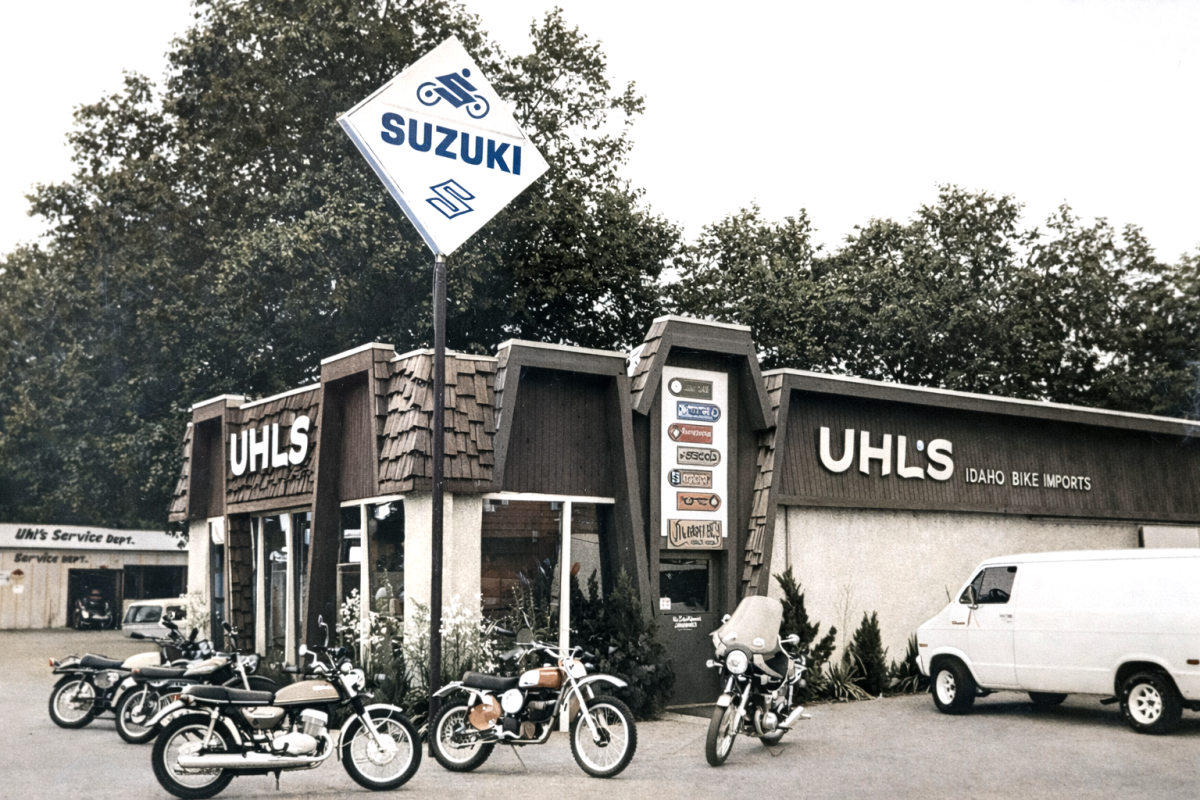
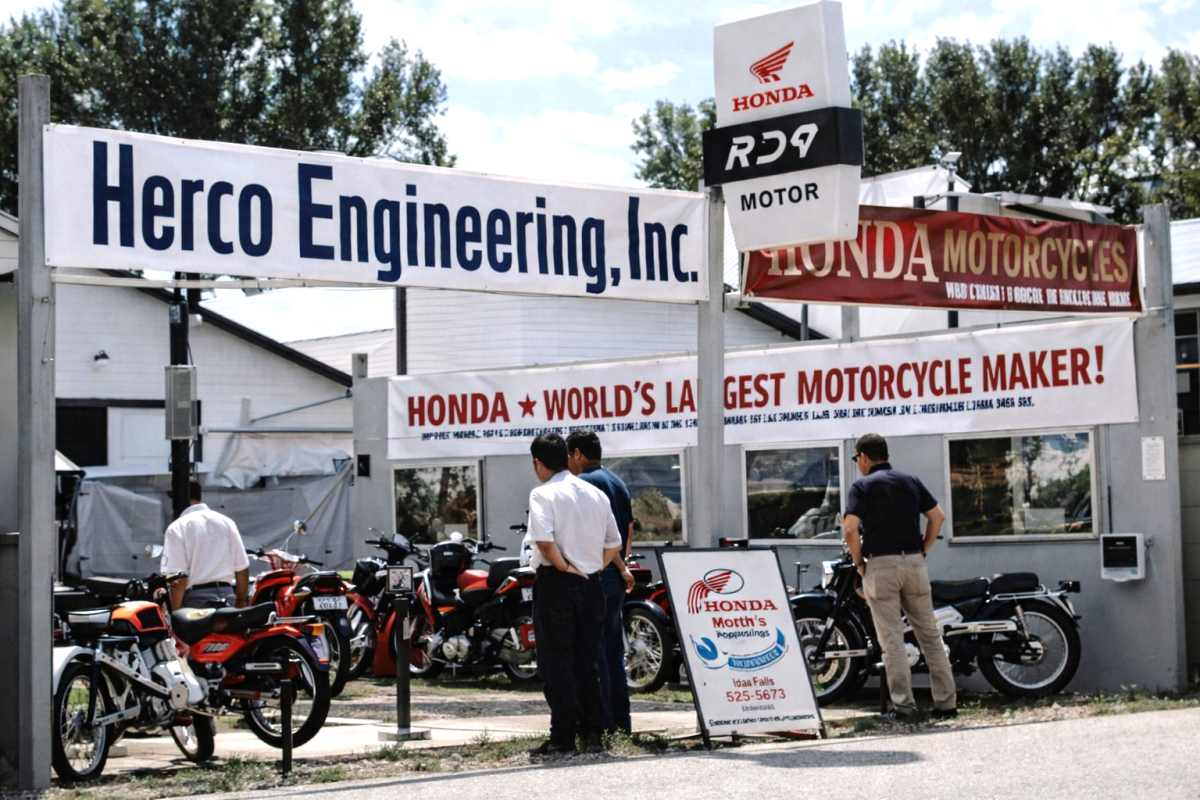
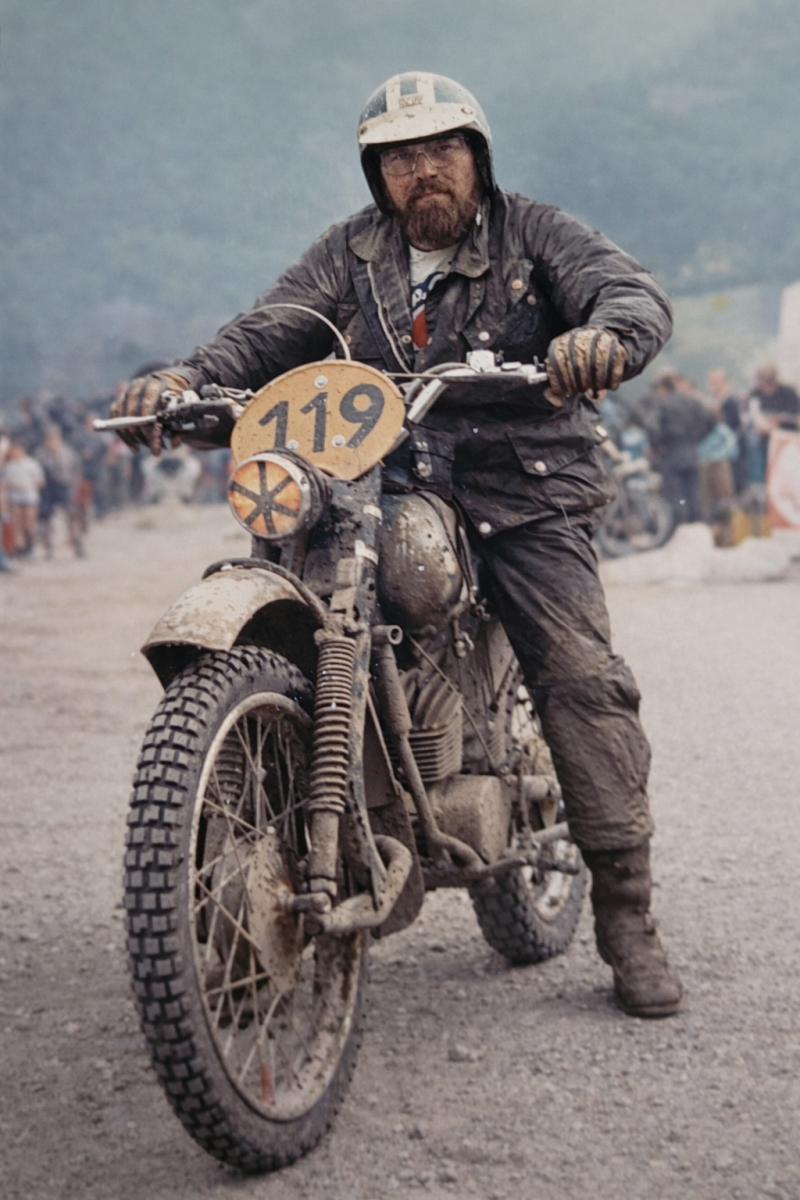
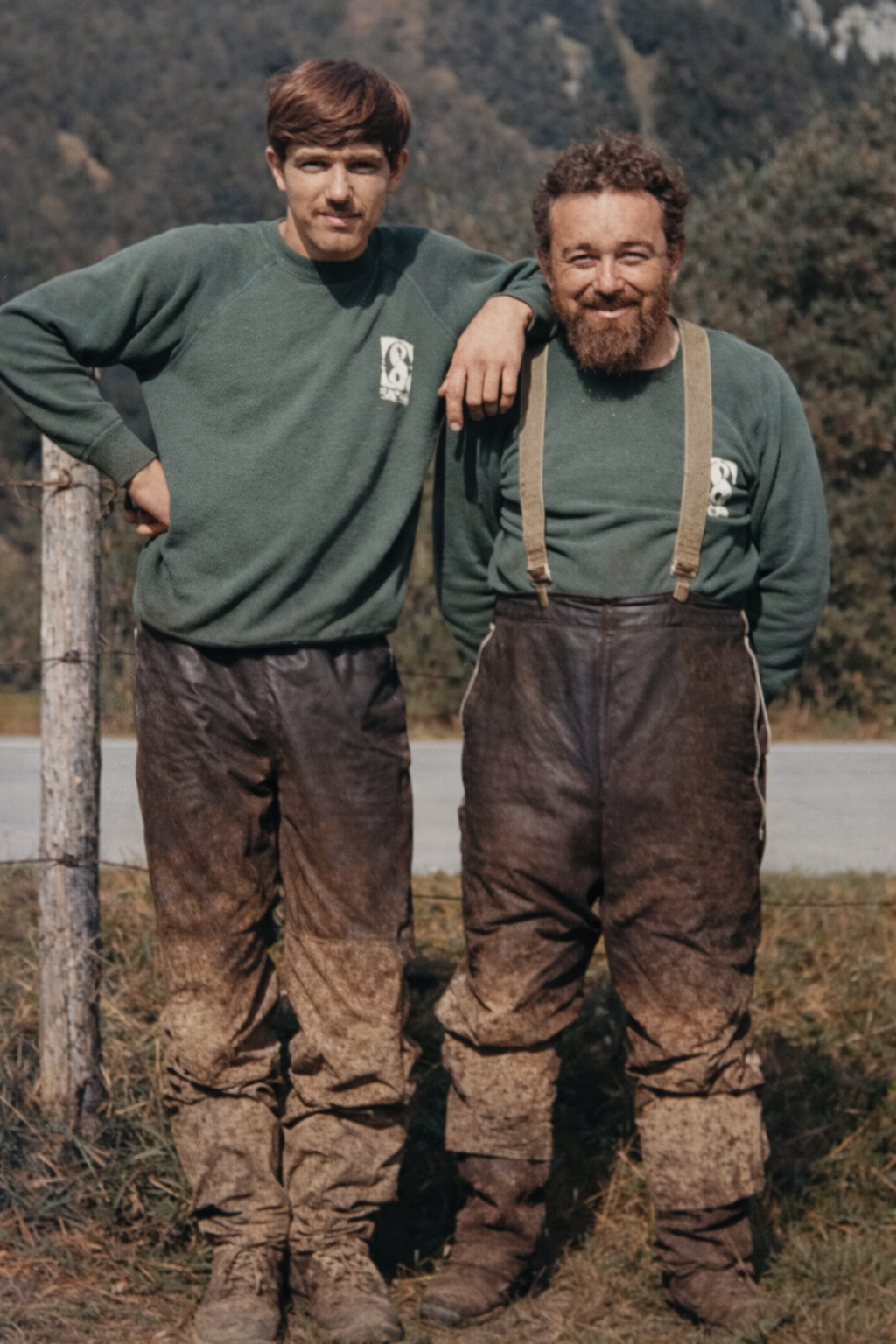
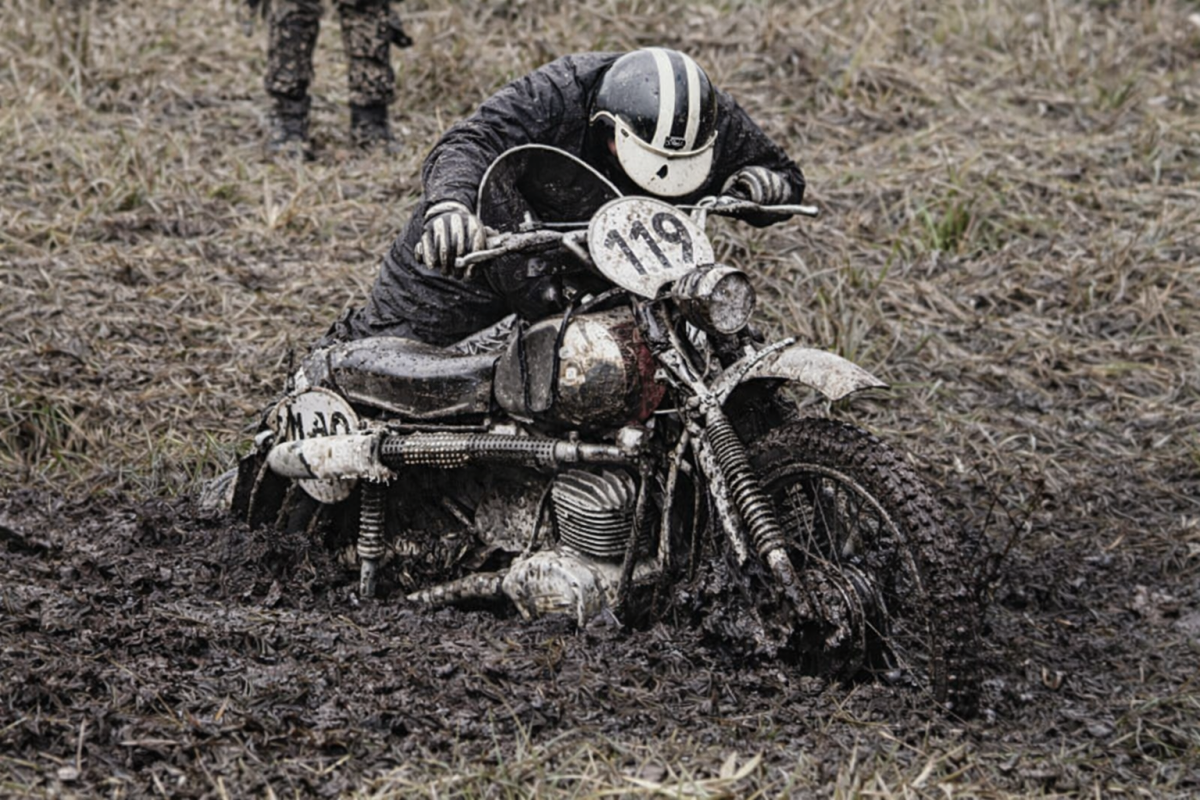
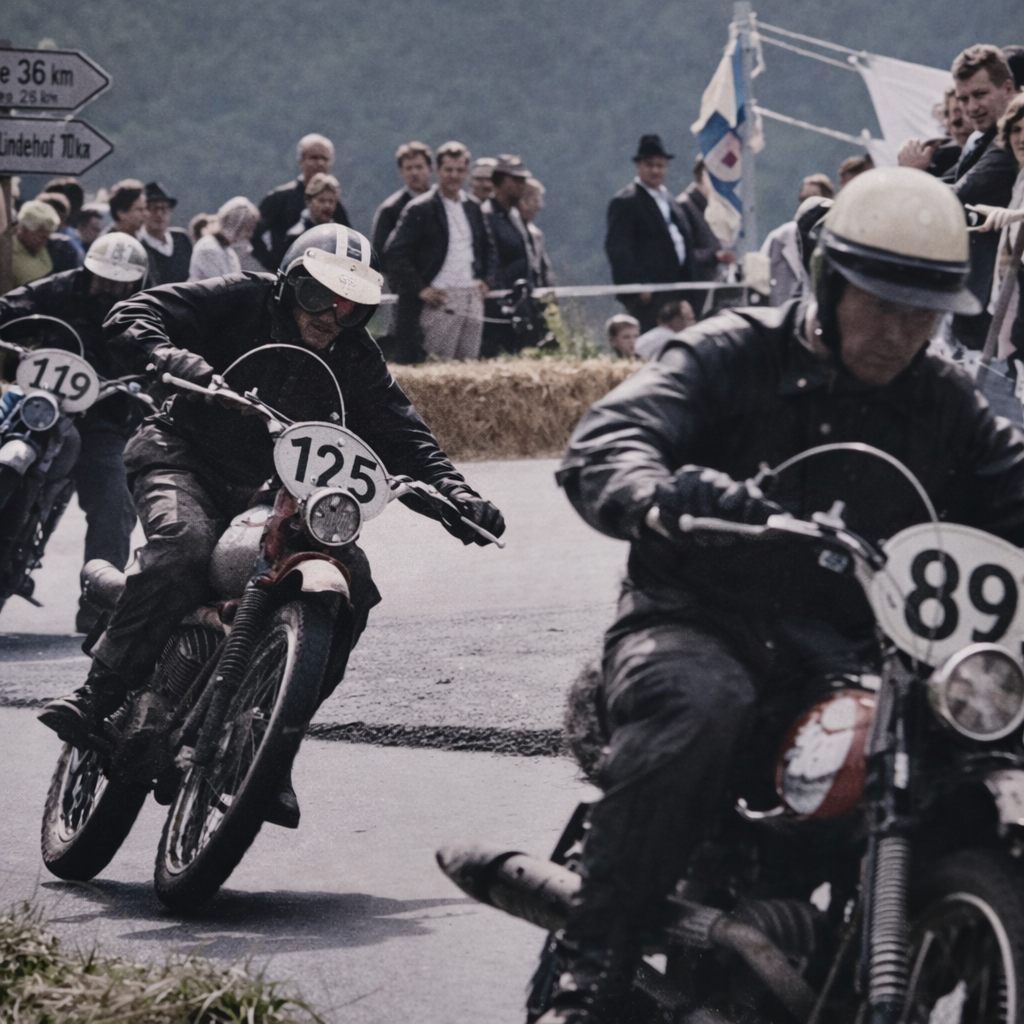
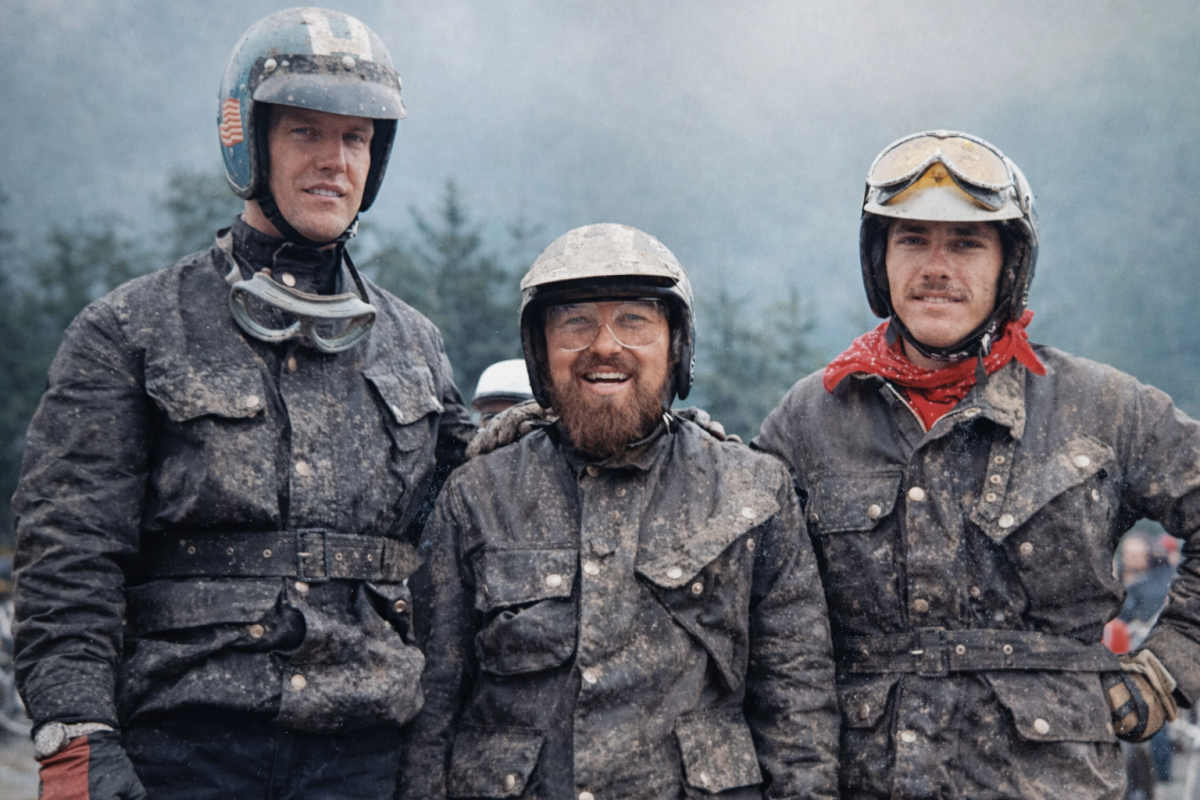
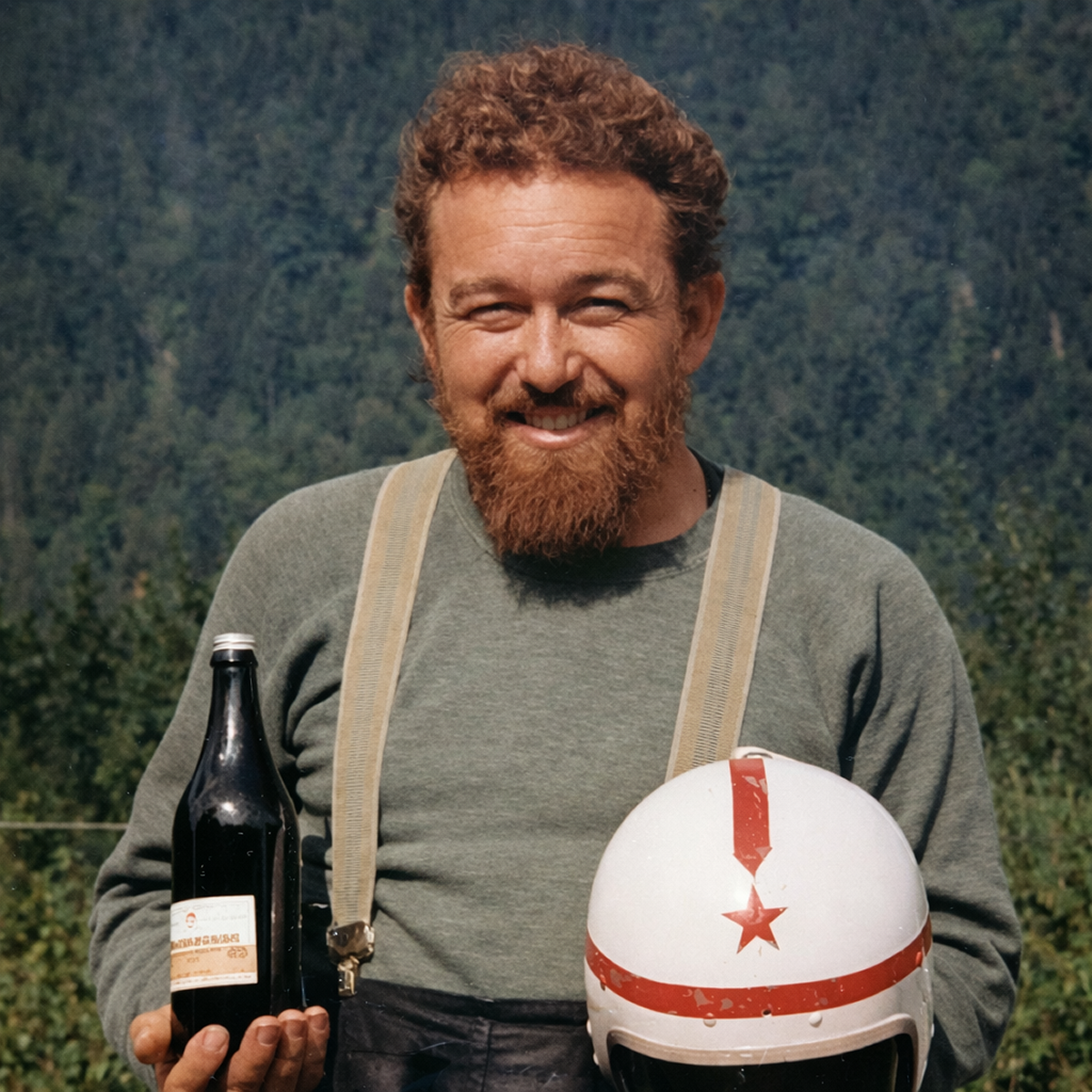
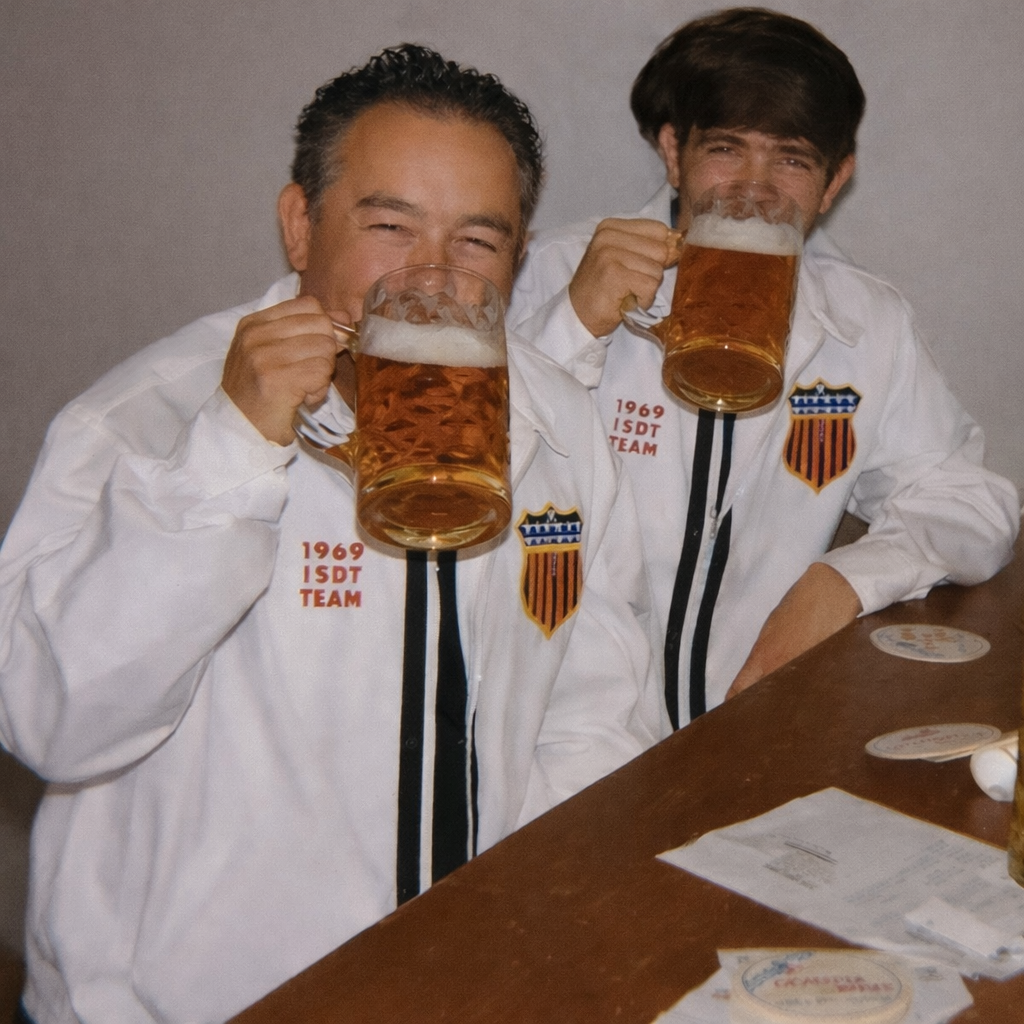
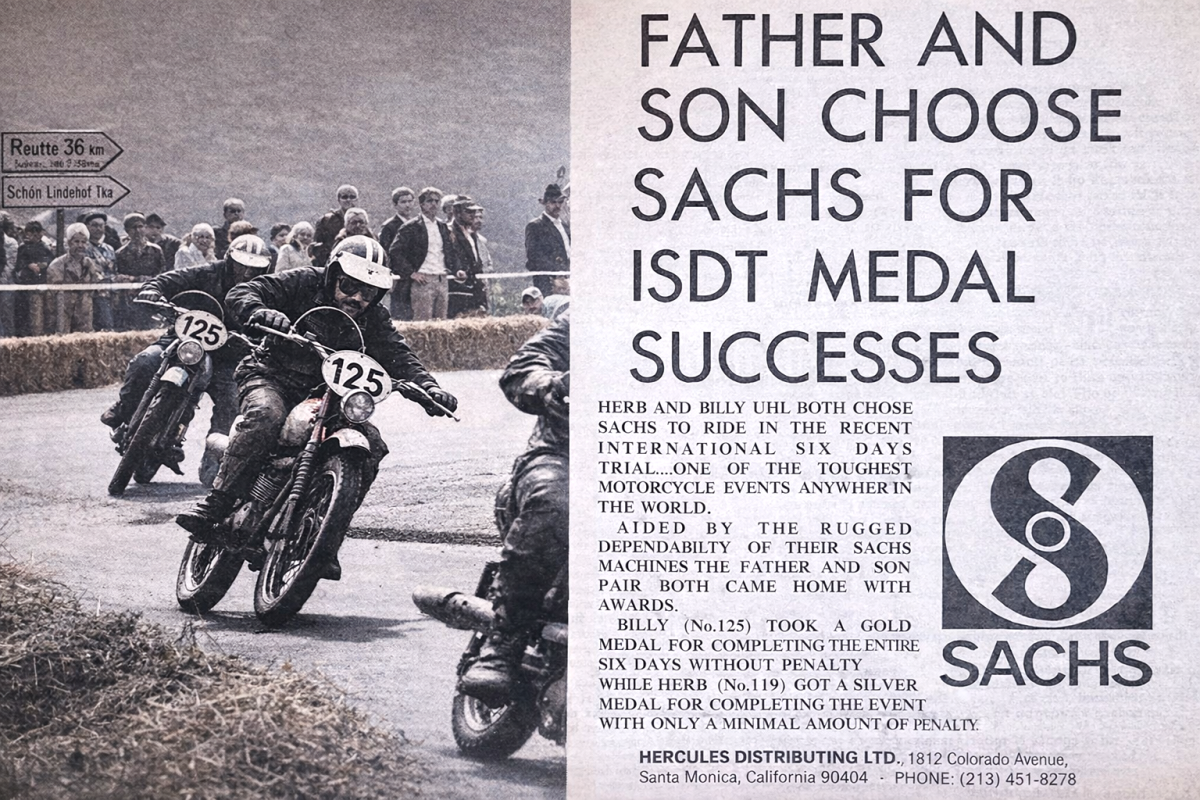
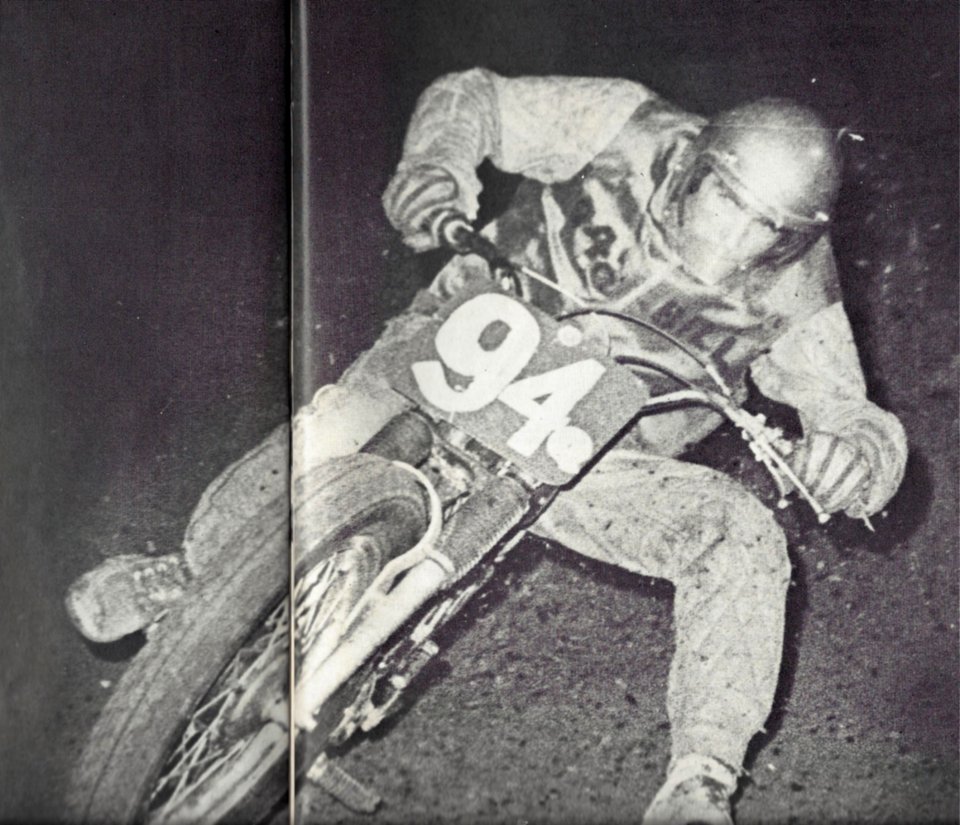
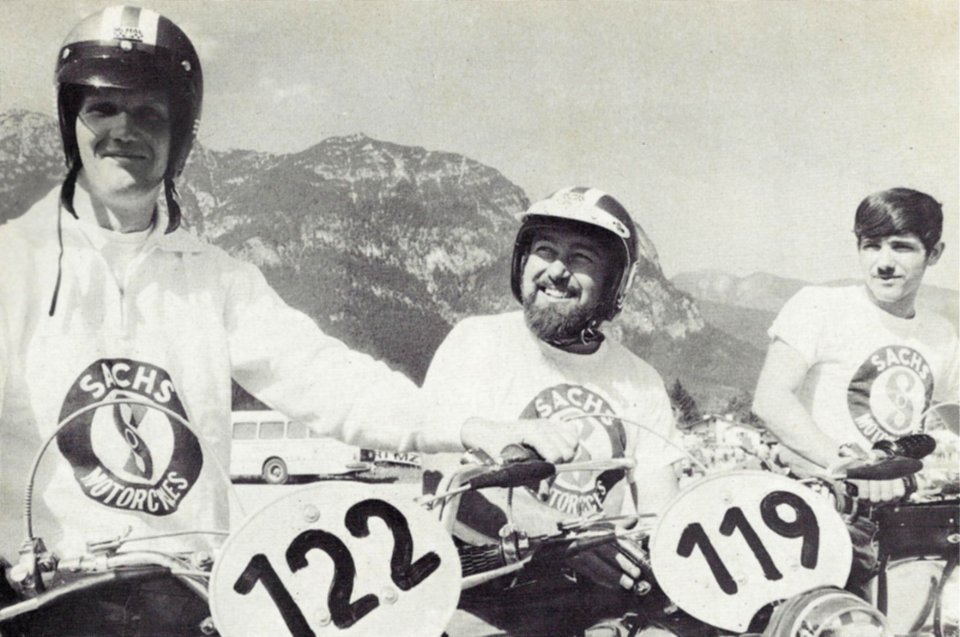
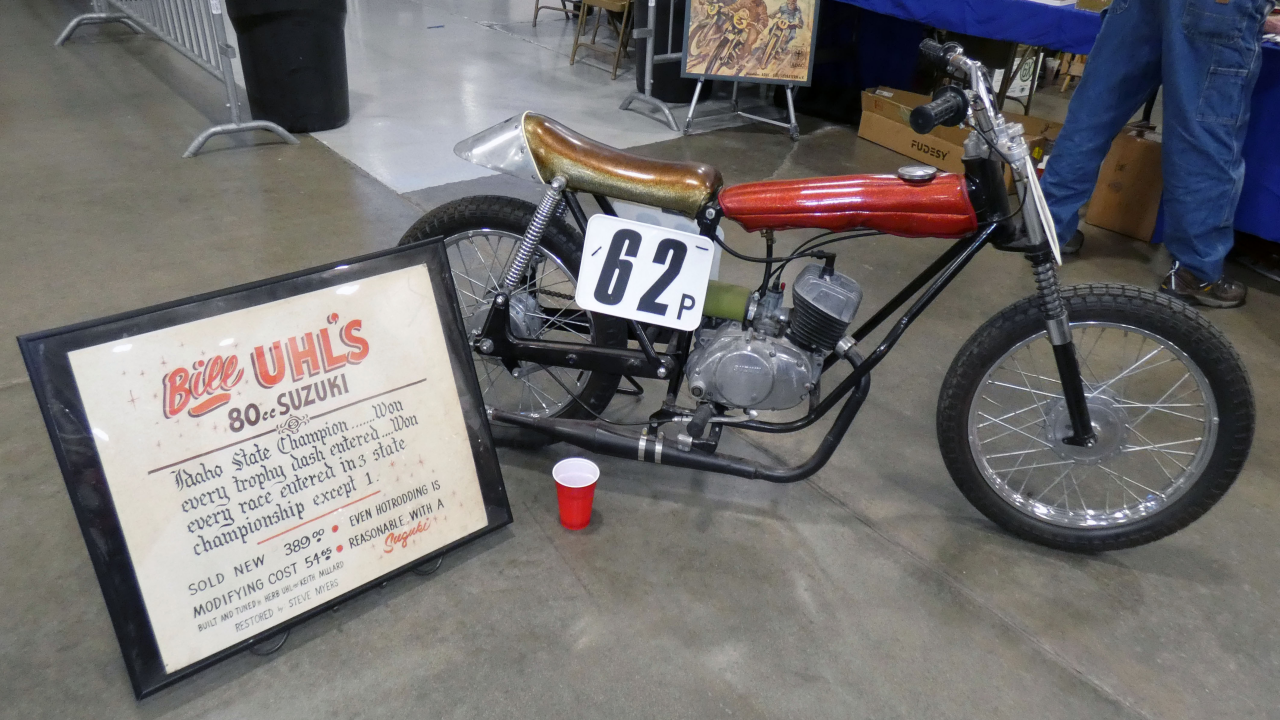
However, prior to that, at least four examples of the production RC70 found their way to the USA. Two went to Herb Uhl, who had a motorcycle dealership in Boise, Idaho, and who had competed in the International Six Days Trial in Europe on two occasions, riding with his brother Bill who was an Expert-class flat track rider. Herb noted later, “I imported a couple of RC70 off-road bikes from Honda Japan in early 1959 and they had excellent leading-arm forks.
About the same time, another pair of RC70s was sent to Alan D’Alo in California. D’Alo was an amateur racer from Norwalk, California, who annually competed in the Catalina Island “Grand Prix” on an MV Agusta. The Hondas were imported ostensibly to test the market, and came with basic C70 250cc Dream engines.
Local racers were still wrestling with the left-side sift gear levers on these early Hondas, because many of the European racing bikes came with right-side shift transmission selectors. Having to remember which side of the engine to change gears with, as well as coping with the “rotary” gearbox function, was more than most riders wanted to deal with back then.
The “fix” for the RC70 riders was to commandeer engine assemblies from the 1959 CE7ts, once they were released for sale through the fledgling AHMC distributorship. The electric-start CE71 was Honda’s U.S.-spec “dream Super Sport” model, which featured a conventional return-shift transmission, a larger 24mm carburetor (vs. 22mm carburetors that were stock on Dream engines) and a horsepower upgrade due to higher compression pistons and more aggressive camshaft timing.
One of the RC70s was assigned to budding motocross rider Preston Petty, who later founded the plastic mudguard revolution that found a ready market in the booming off-road scene. Petty won several local Southern California races on the RC70F, which later had a CE7t engine fitted. As the Honda was developed, some reports say Petty trimmed off the factory-installed leading-link suspension front end and machined up a new steering head which could hold British AJS telescopic front forks and a wider, smaller 18-inch front wheel in place of the standard 2.75 x 19-inch front tire.
The RC70F varied slightly in specification during the period of its cataloged existence, some being fitted with a high-level exhaust pipe with a substantial muffler on the right-hand side, others with straight-through pipes exiting in front of the right-hand rear shock absorber, and others with low road-style pipes and muffler. There were also dry-sump versions available.
The 1960-61 pre-production Honda 250 Scrambler prototypes also came with single-carb Dream engines, but with return shift transmissions. When the 1961 CN72 Hawk, sport bikes were released, the first thing that happened to the “next generation” 250 Scrambler was again a motor transplant, but this time from a CB72, which had dual carbs, even higher compression pistons and a 10,000 rpm redline.
In fairness to Honda, they were not the only ones who offered “rotary gearboxes” to the public. Early Yamahas, the Bridgestone 175s and Litac motorcycles also had this feature for a few years, among other now-extinct manufactured models. Honda continued to offer the rotary-gearbox option of domestic 250-305cc Dreams and CYP77 Police bikes into the mid-1960s, but no other “larger” models were so equipped after that.
In 2016 I wrote the book, Smaller Adult Motorcycles, where I outlined what was necessary to get almost twice as many people riding and enjoying motorcycles.
The book explained that around half of the world’s population didn’t even try to ride because the most desirable motorcycles (the adventure bikes) had seats way too high for about one-half of the population to touch the ground while sitting at a stop light.
It is definitely a safety issue for a rider to slide almost off the seat to be able to touch one toe on the ground to balance the bike.
The response of the motorcycle manufacturers was interesting, so I’ll outline our progress for you. Many of them have since emphasized the low seat height on their cruisers but they mostly still have only 2 or 3 inches of suspension travel, except for Honda’s Rebel line which almost has useable suspension travel.
Harley Davidson has designed an adventure bike that squats somewhat at stop lights but you have to pay extra for that feature.
BMW and a couple of others have made a seat that has a couple of mounting positions with an inch or so difference in height.
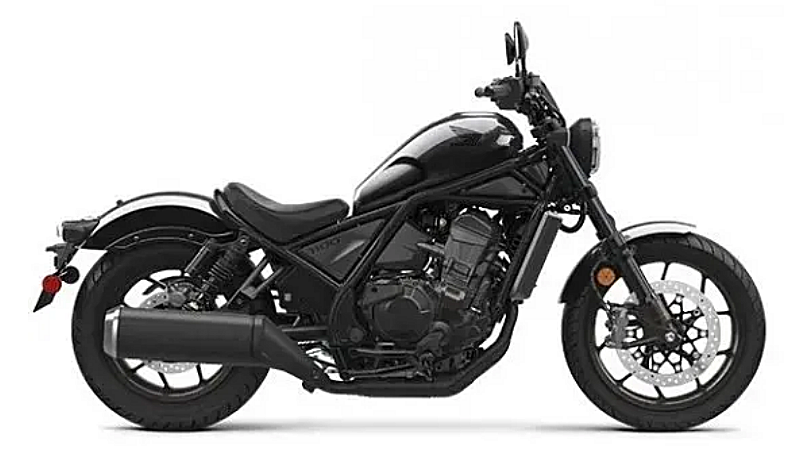
As yet, none of the manufacturers have designed a frame architecture that could be made into a proper adventure bike for short inseam people, except Honda. Just like when I saw a proper trail bike lurking inside Honda’s Super Cub, I can see a proper adventure bike for short people lurking inside the basic frame design of Honda’s popular Rebel line.
Like before, Honda doesn’t realize that they have almost built the adventure bike for us short inseam people that we have been waiting for all these years since adventure motorcycles started. Will they do anything about it? We’ll just have to wait and see.
Honda has already developed the necessary technology, so it’d probably be a very quick redesign. First, and most importantly, they would need to make a smaller version of their Gold Wing fork to give the Rebel Adventure bike independent front suspension. That way, it would have more compliance and a better ride with just 7-inches of travel than if they had 12 to 14-inches of travel with telescopic forks.
Second, the shocks on both ends should be electronically controlled.
Third, it should have a 17-inch tubeless wire wheel on the rear and a 21-inch wire wheel on the front.
Fourth, it should have an easily adjustable seat from a 27-inch seat height to a 32-inch seat height, so that almost any member of the family can ride it just like they can drive the family car.
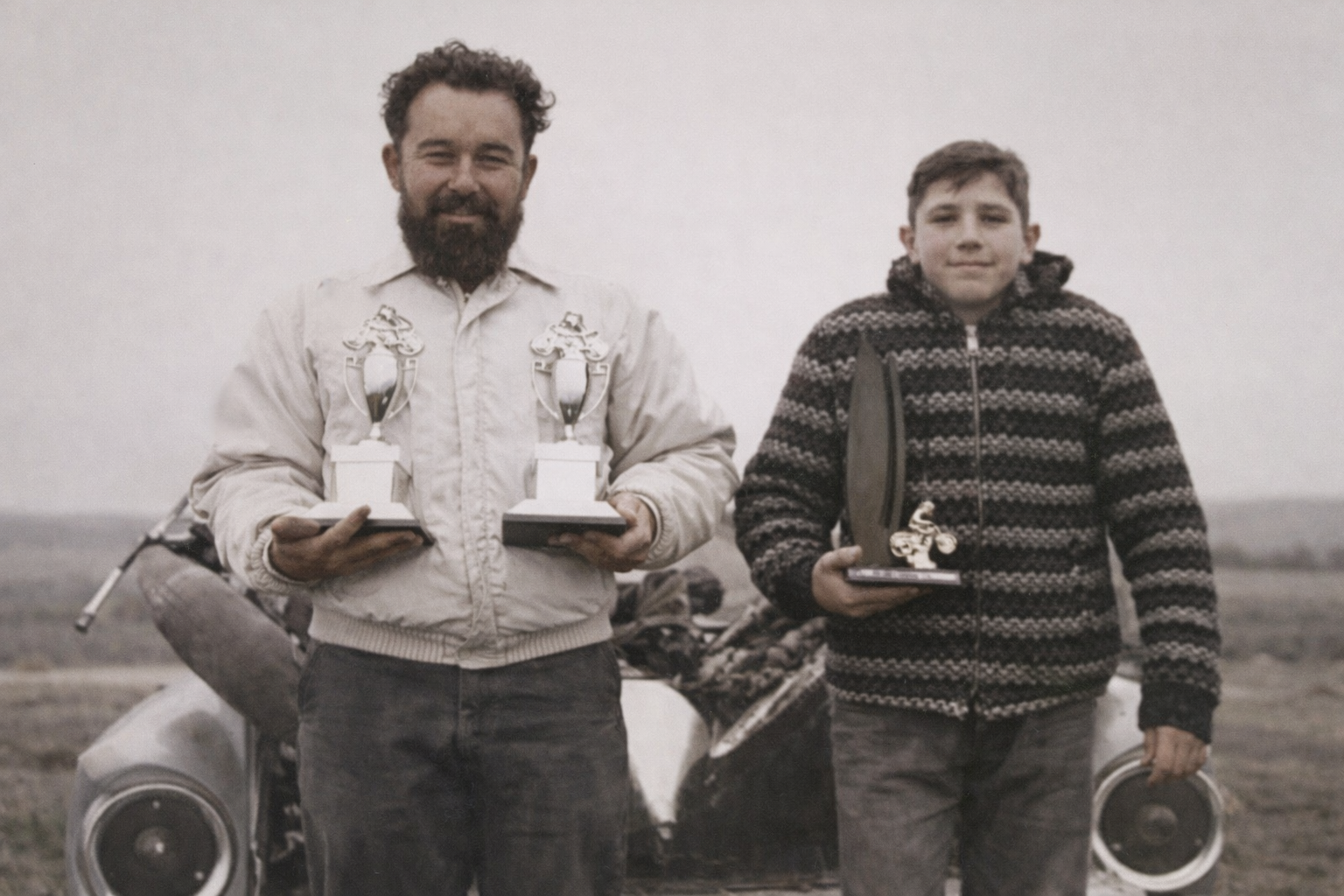
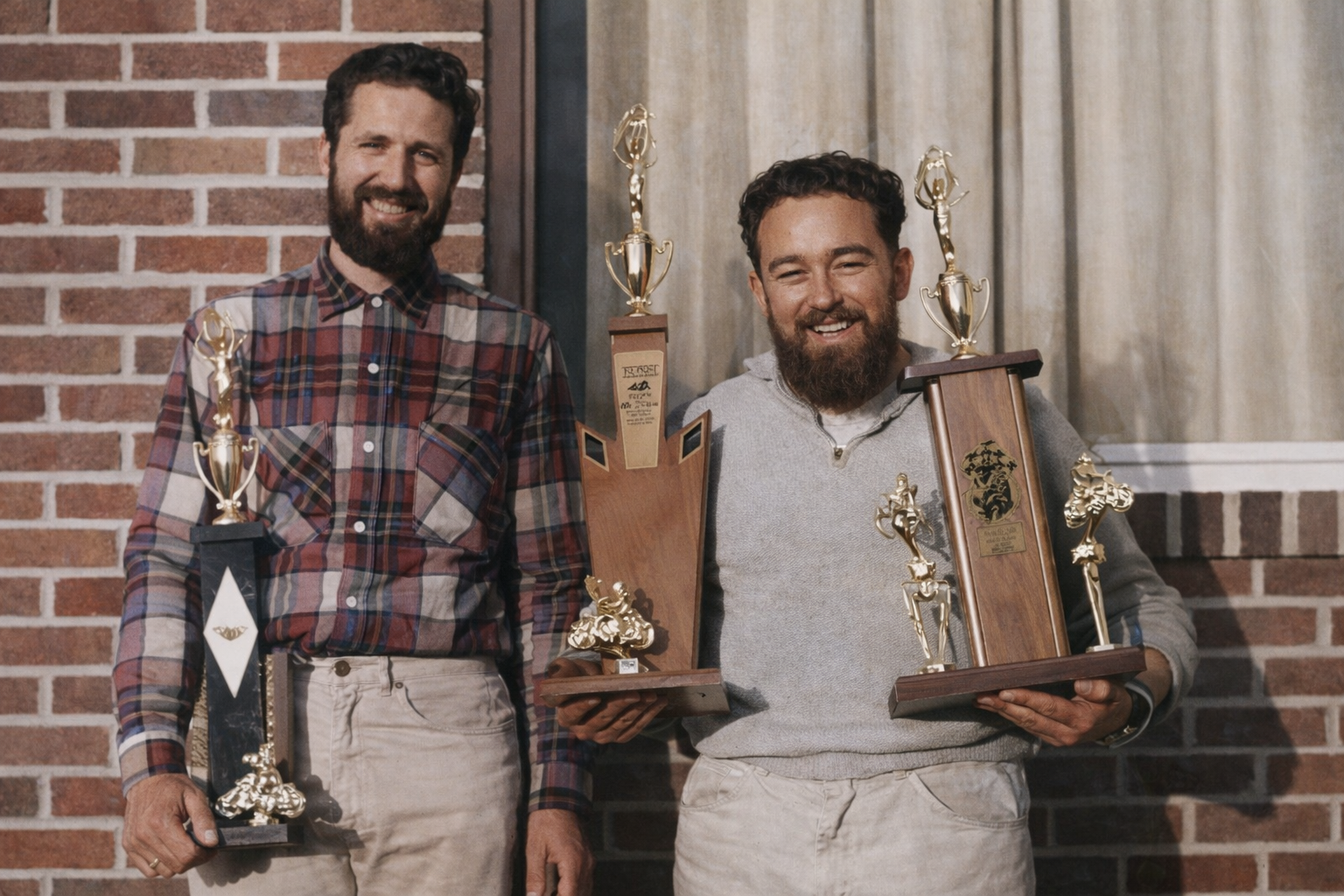
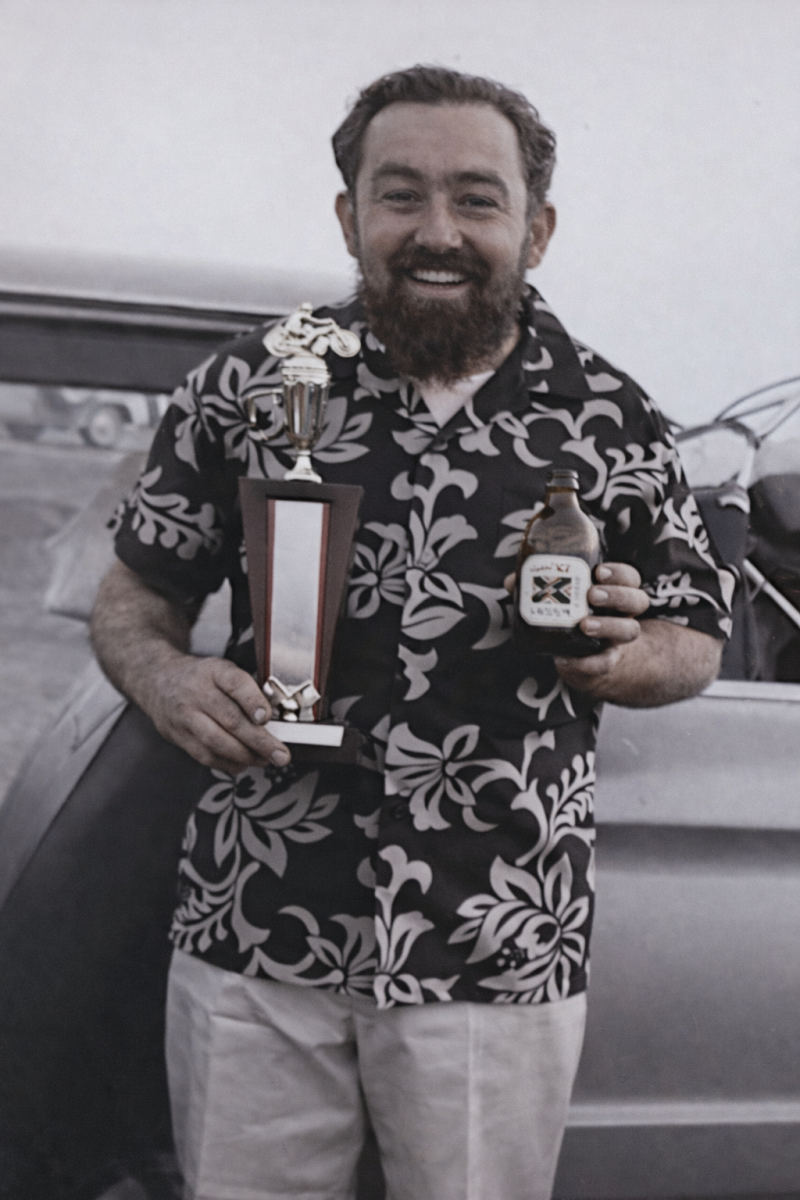
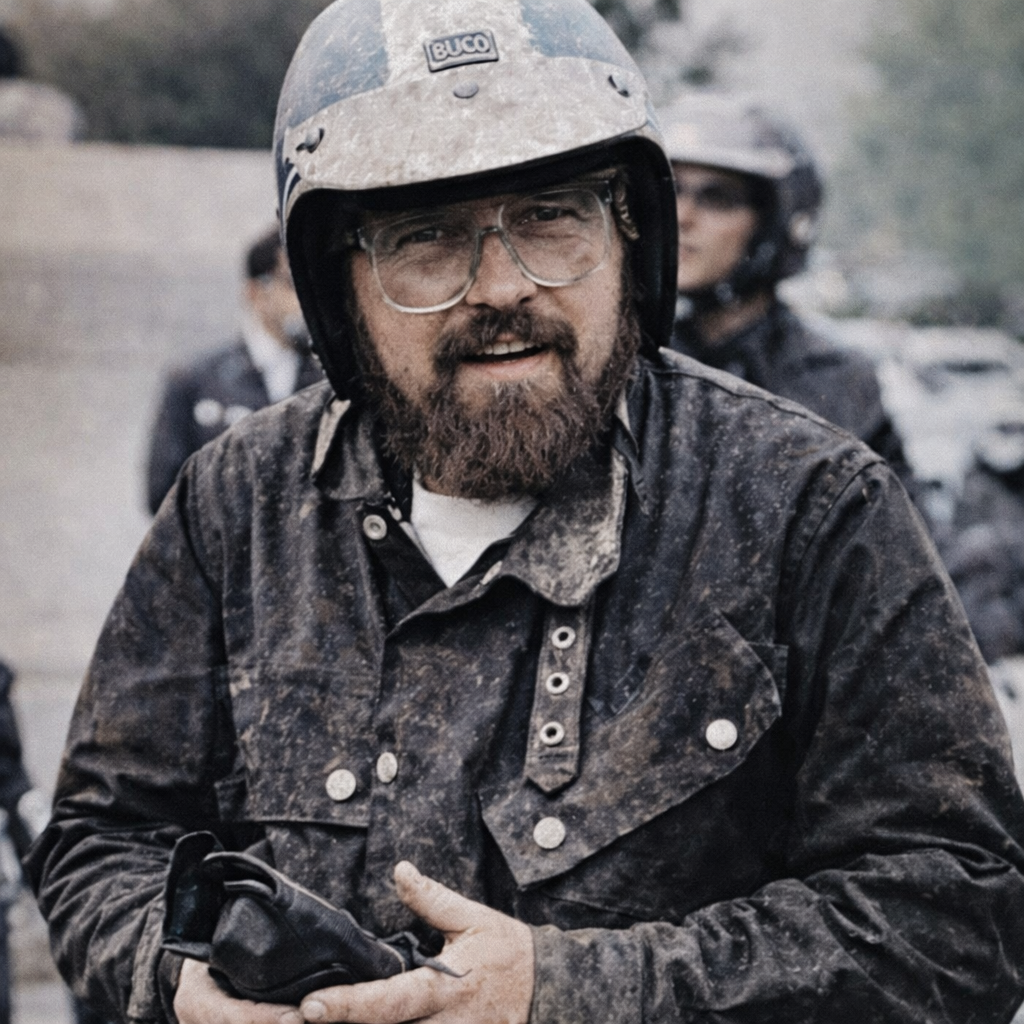
In 1956, I went into the motorcycle business part-time with the pricey sum of $500.00 as my total capital investment. That was everything I had to risk. I was living in Boise, Idaho, and it was a nice little town in those days. We had roads, yes—but more importantly, we had trails heading straight into the foothills and mountains east of town.
Back then, no one hauled their dirt bike in a pickup. You just rode it from your house to wherever you wanted to go. The mountains were our playground.
Nickolas Gray from Detroit, Michigan, had just become the importer for Maico, a German brand with legendary quality. They built real enduros and scramblers with 250cc engines—exactly what we needed for Idaho riding. Before I came along, the popular bikes were Triumph, BSA, and Harley-Davidson. Big 500cc, 650cc, and 1000cc machines. Fine motorcycles, but you needed real skill to ride those big bikes in the dirt.
Most anyone, though, could have fun on a 250cc and develop skill as a side effect.
I understood that.
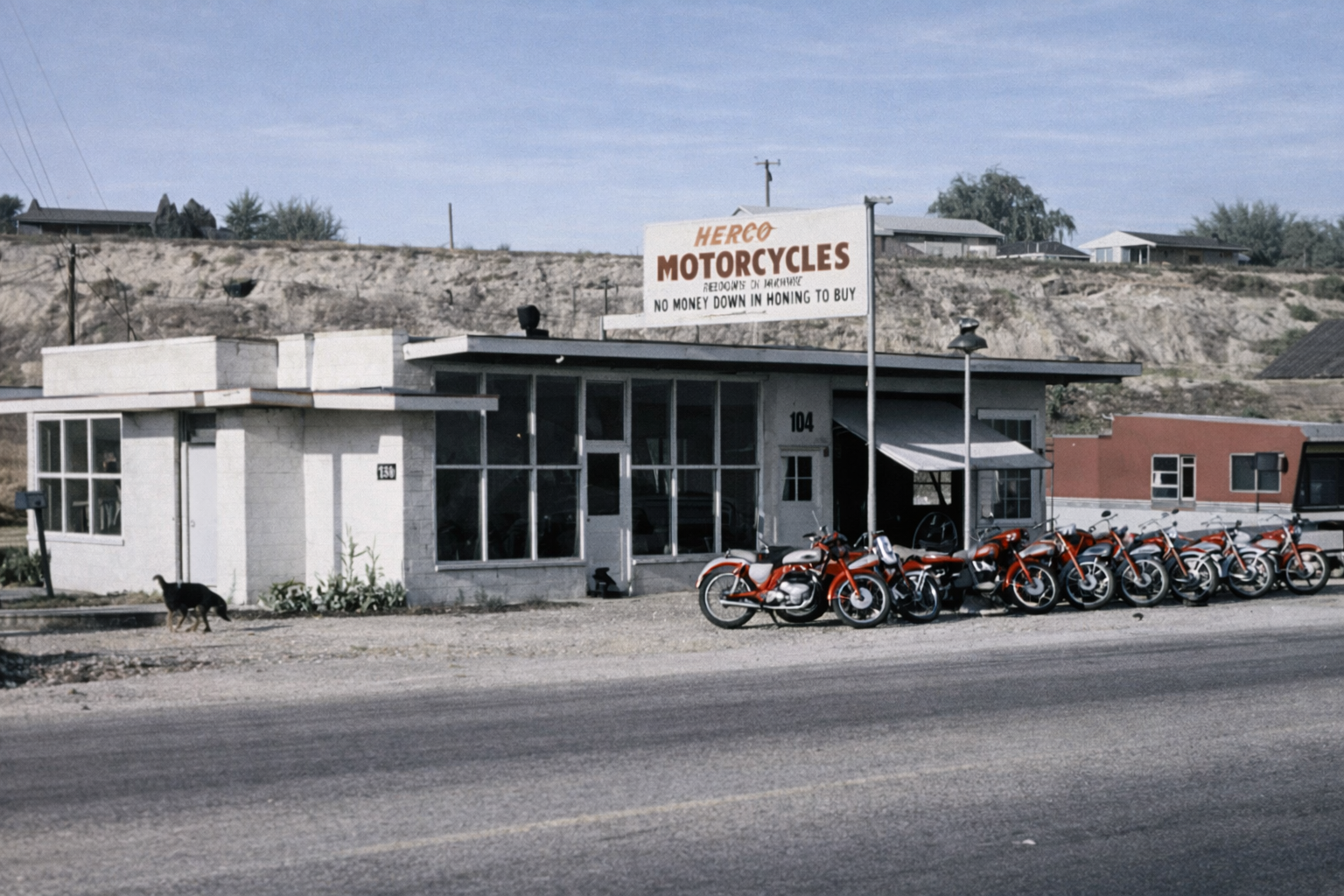
Very soon, I had sold so many Maicos that I had to quit my day job working on cars and become a full-time motorcycle dealer. I rented an abandoned flower shop, put up a sign, and just like that, I was in business.
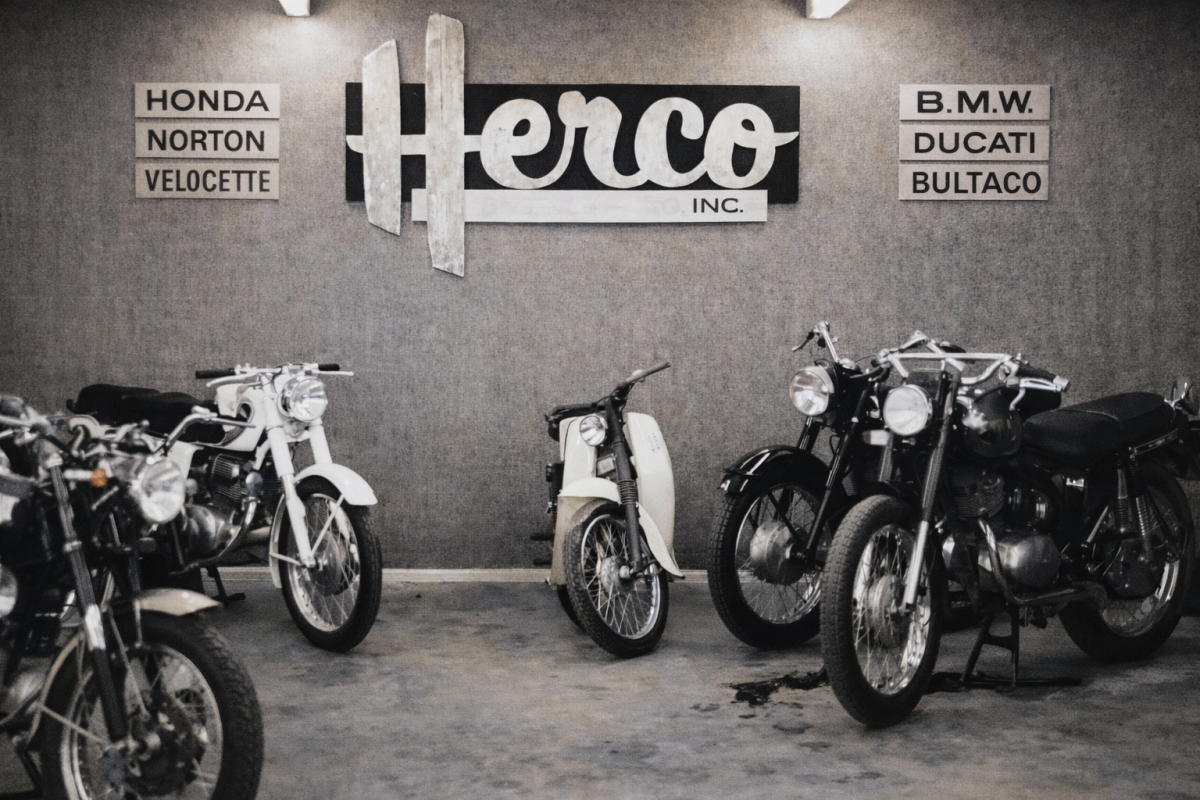
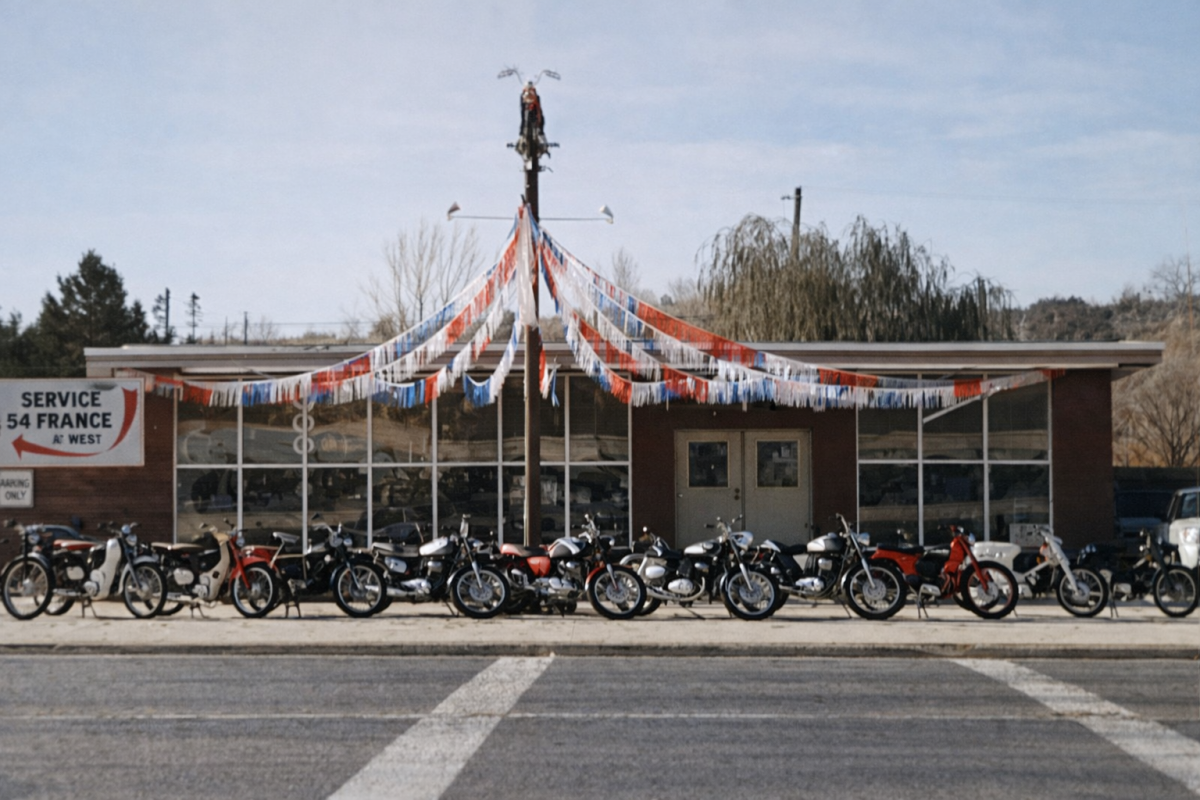
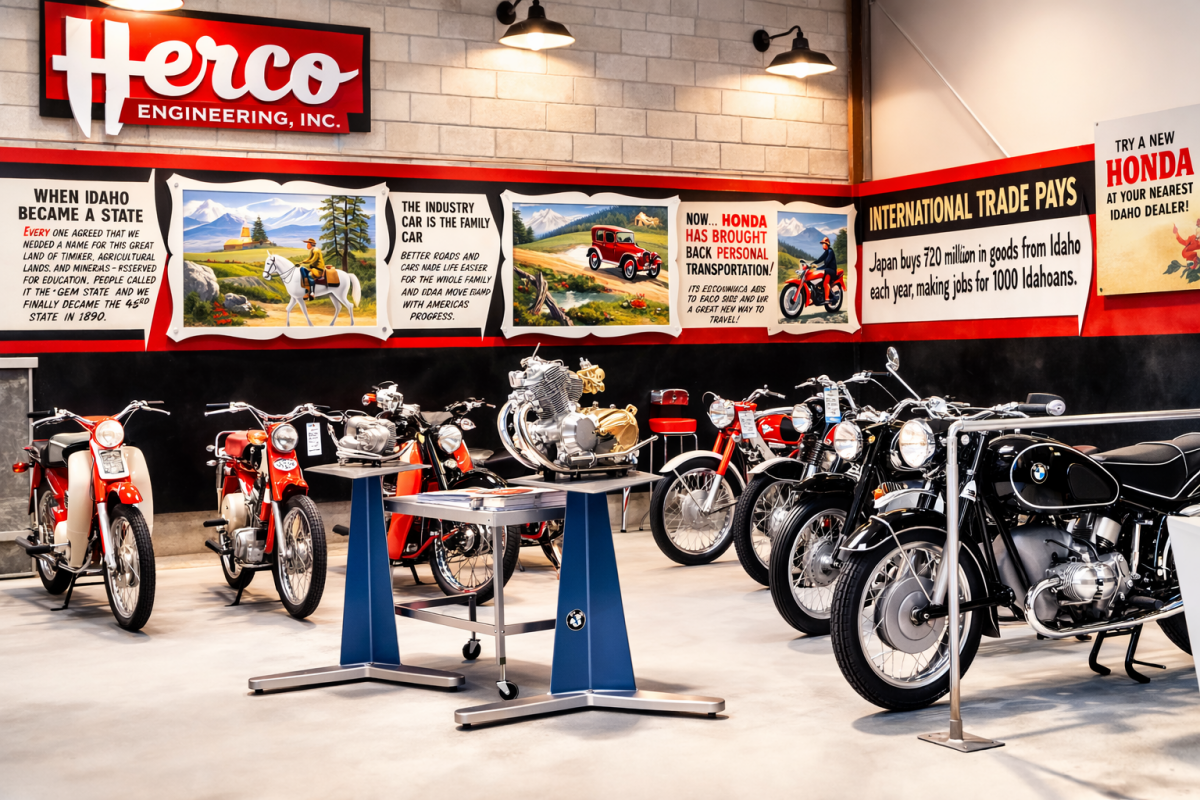
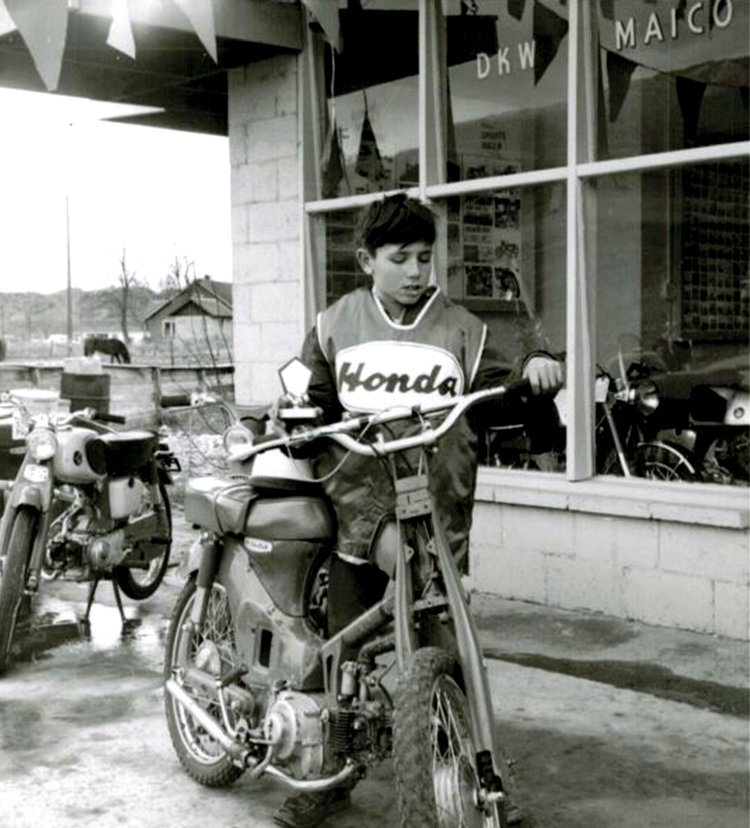
By 1958, we had outgrown the flower shop, and, still working from that original $500, I put down a deposit and bought an abandoned service station farther up the street. It had a tall glass front, perfect for a showroom. Behind it was a repair area. That old service station became one of the most exciting motorcycle shops in the Northwest.
Over the years, my store was associated with 30 different motorcycle brands from 9 different countries. I did that because my loyalty was never to a manufacturer. It was always searching for what the rider wanted.
The First Honda Comes to Boise
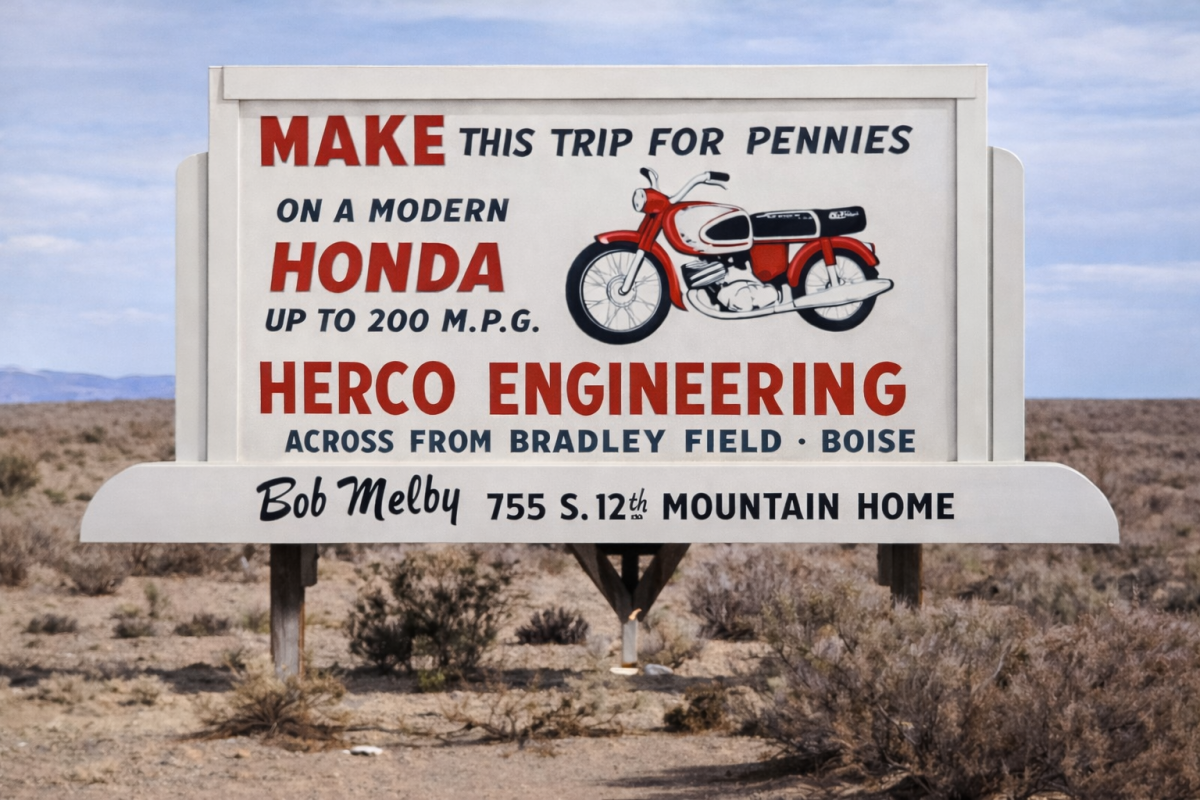
Here’s something many people don’t realize: I was the first importer of a Honda motorcycle of any kind into the United States. After that, the Honda Company arrived in the USA.
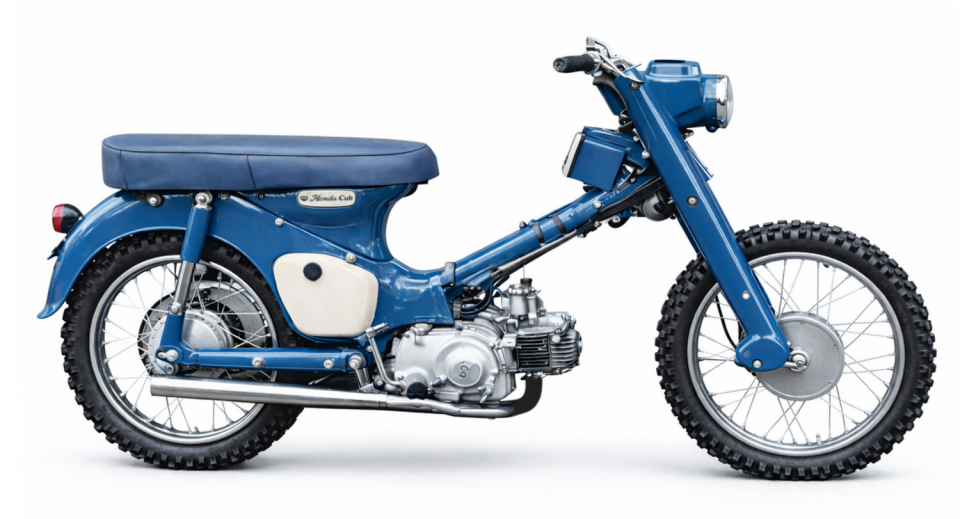
I got the Super Cub, called the C100 or CA100 at the time, which was a scooter-like motorcycle with a pressed-steel frame, 50cc engine, three-speed transmission, and automatic clutch, and 17-inch wire wheels. It was simple, light, reliable, and brilliantly engineered.
There was just one problem. Boise didn’t want city transportation bikes.
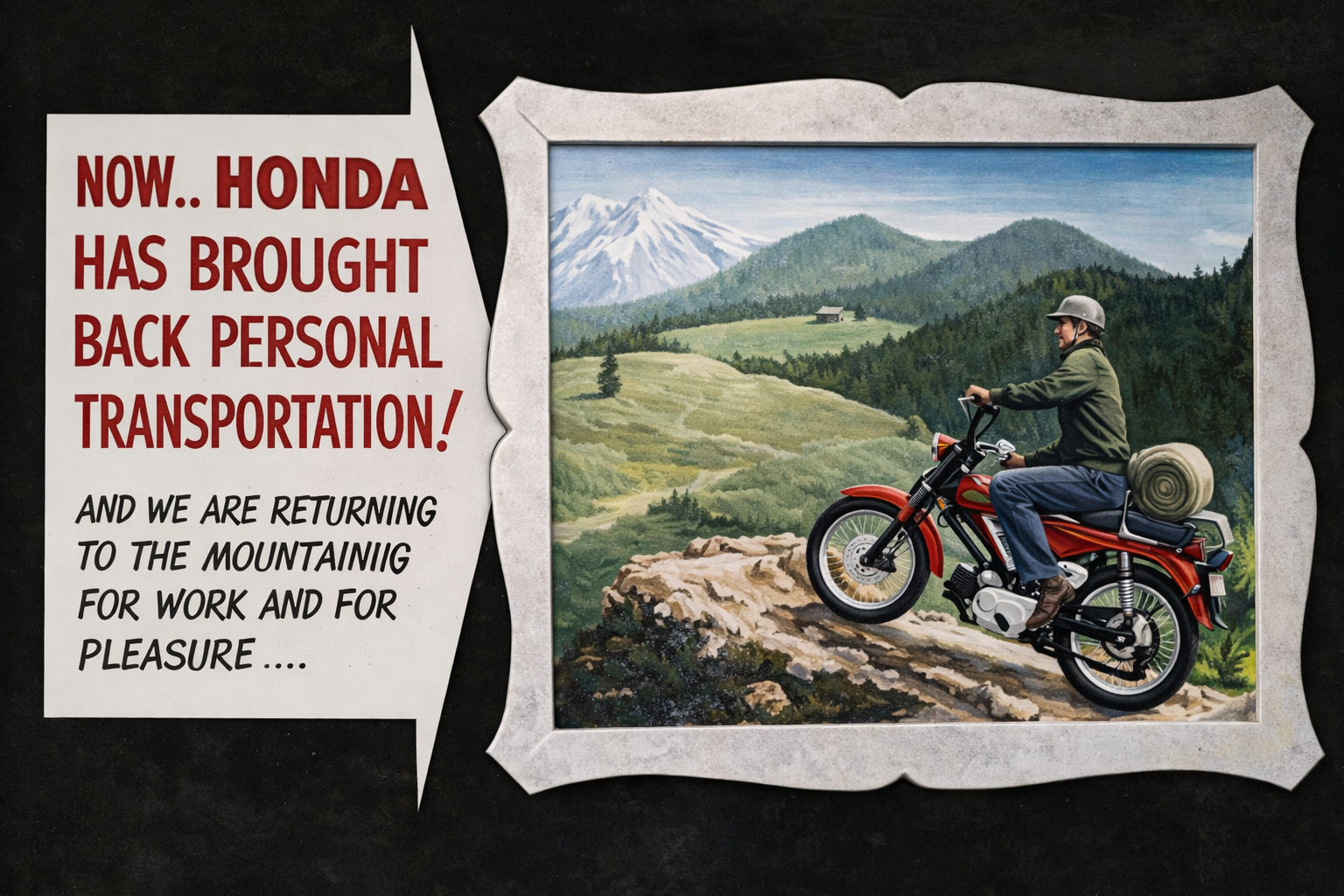
In 1960, Boise was still a small town. People didn’t need scooters to commute through traffic. They needed something that could climb a mining road, cross a ranch, or get them into the hills for hunting season.
The Super Cub, as delivered, wasn’t that bike. Most dealers would have said, “It won’t sell here.” I didn’t see it that way.
One of my strengths is my ability to understand what the public wants in a specific product line. When I was a dealer, I understood the customers wanted a trail bike, nd nothing good was available in that category.
The Super Cub was light. It was dependable. It had a low center of gravity. It had a step-through design simplicity. What it lacked was gearing, tires, protection, and rugged purpose. So, I built what the factory had not yet imagined.
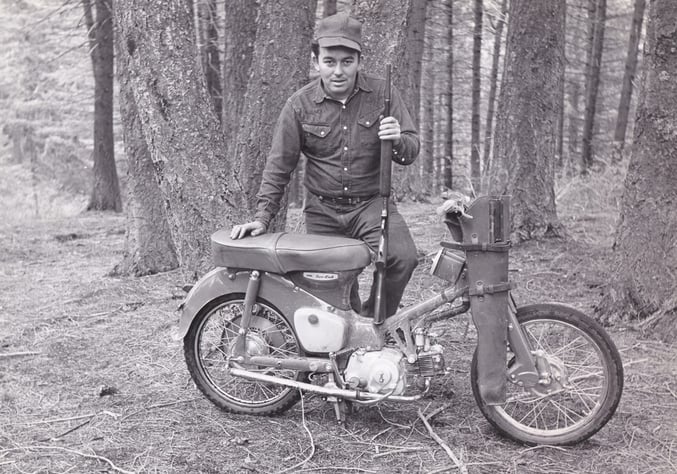
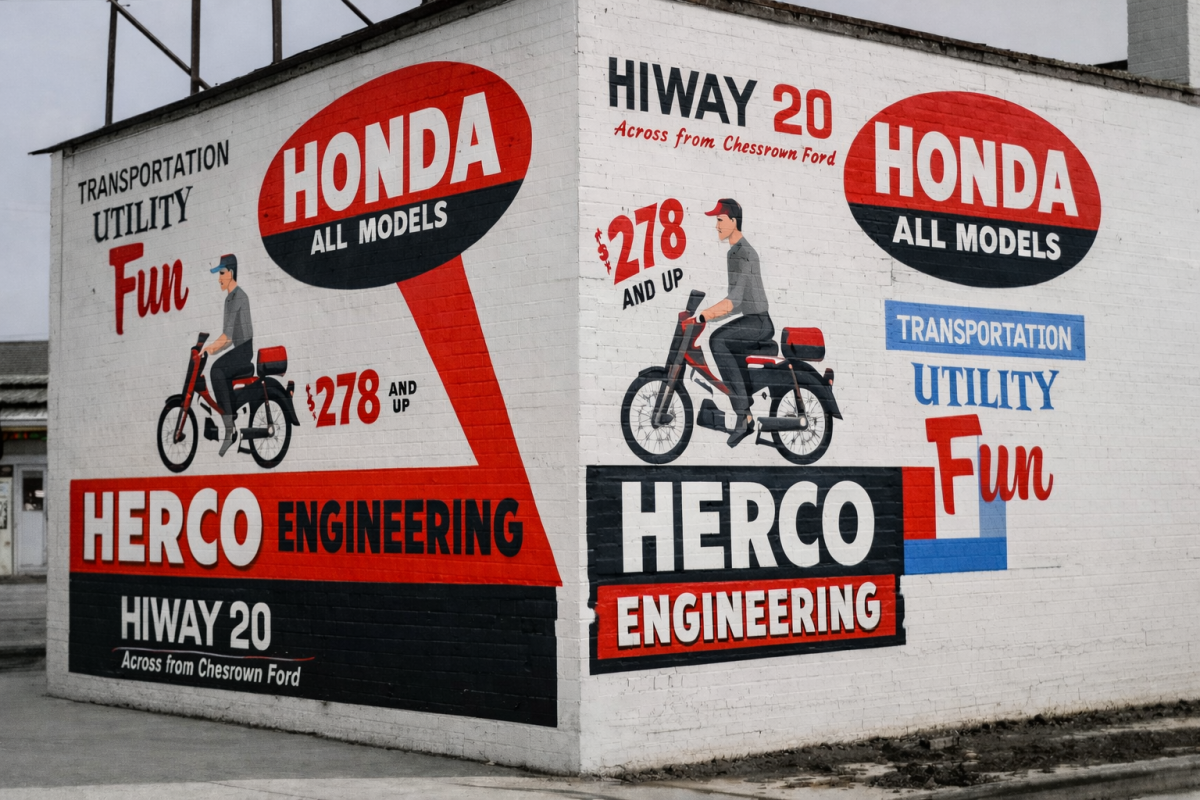
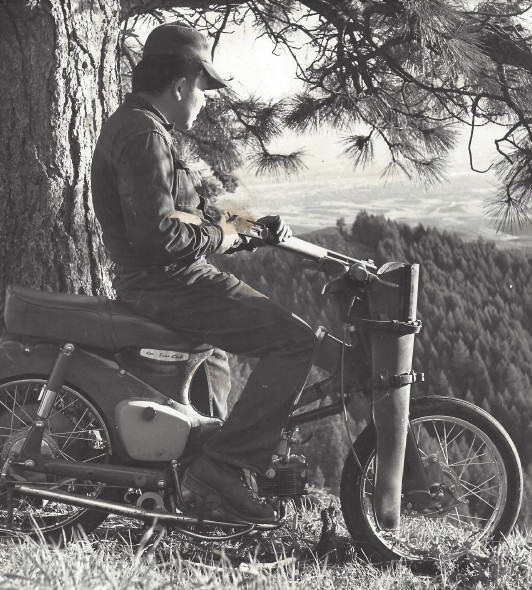
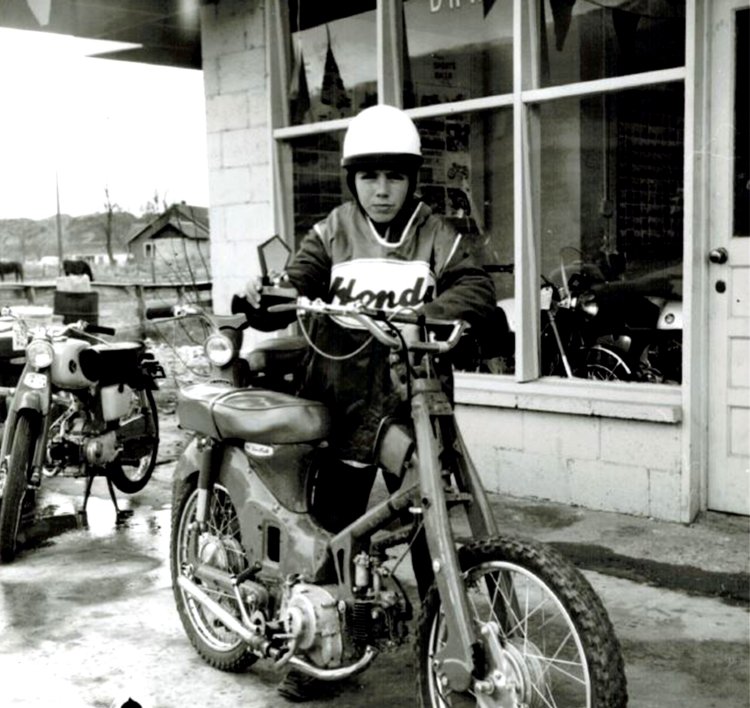
In my custom shop at Herco Engineering Co., I began modifying the Super Cub to my trail and ranch specifications. I changed gearing. I added protection, and I had knobby tires built for that size wheel. I configured it for hunting, trail riding, ranch work, and open-road travel.
What I created was not a scooter anymore. It was the first motorcycle-derived ATV. Sales escalated rapidly.
Before long, I was selling more Honda Cubs than all the dealers in the Los Angeles region combined. That caught Honda’s attention. They came to Boise to see what was going on.
I introduced them to my trail bike based on their Super Cub. They studied it carefully. They asked for specifications. They even took one of my bikes home to reverse engineer it.
In no time, Honda had production models of what became the Trail series, culminating in the legendary Trail 90.
The Trail 90 became the biggest-selling adventure bike in the world.
Did I get paid for my extra design-work?
No. I just sold way more motorcycles because I had what the customers were looking for.
I never saw a penny from that innovation itself, only for the results.
But understand this: it was never about the money. It was about making motorcycles better for the rider. It was about recognizing a need and filling it.
And frankly, Honda building my design meant I could sell more bikes with less effort, because the product now arrived already suited for my customers.
That single shift, from city transport to trail utility, helped launch an entire segment of the motorcycle industry.
From that point forward, the evolution was unstoppable:
Trail bikes
Three-wheelers
Four-wheelers
Side-by-sides
All of it traces back to one simple realization: riders wanted machines that could go where the roads ended.
People sometimes forget that the Jeep was the first automotive-derived ATV. Look at how that evolved into today’s off-road trucks and super-duty machines. The same thing happened in motorcycles. A lightweight transportation machine became a utility vehicle. A utility vehicle became a trail platform. That platform became an industry.
What began as a modified 50cc Honda in Boise, Idaho, led to multimillion-dollar windfalls for major manufacturers.
In the annals of motorcycle history, people talk about big names and big factories. But innovation does not always start in Tokyo, Munich, or Milwaukee.
Sometimes it starts in an abandoned flower shop or glass-front service station. Sometimes it starts with $500 and a willingness to see what others overlook.
I did not invent the motorcycle. I did not build the Super Cub, but I understood what the public wanted before the factories did, and when you can see potential inside an existing design, and you are willing to act on it, you can change an industry.
That is the real legacy. Not money. Not fame. Contribution.
And the satisfaction of knowing that somewhere, someone is riding a trail bike today because a dealer in Boise decided a city scooter deserved to climb a mountain.
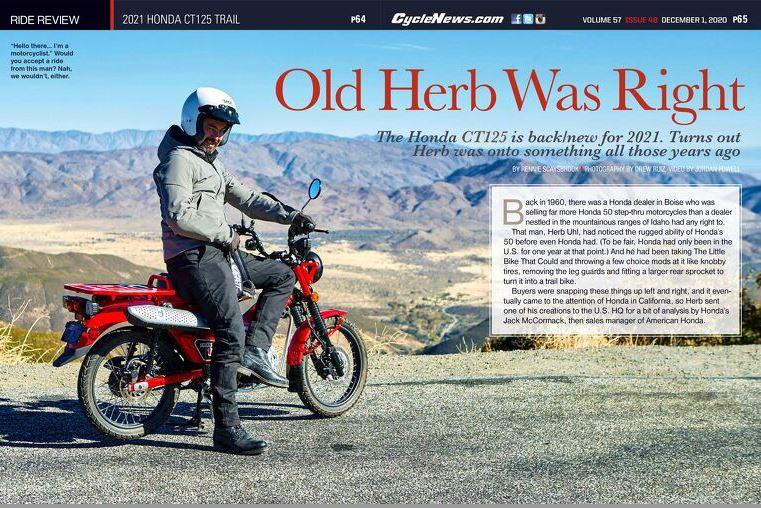
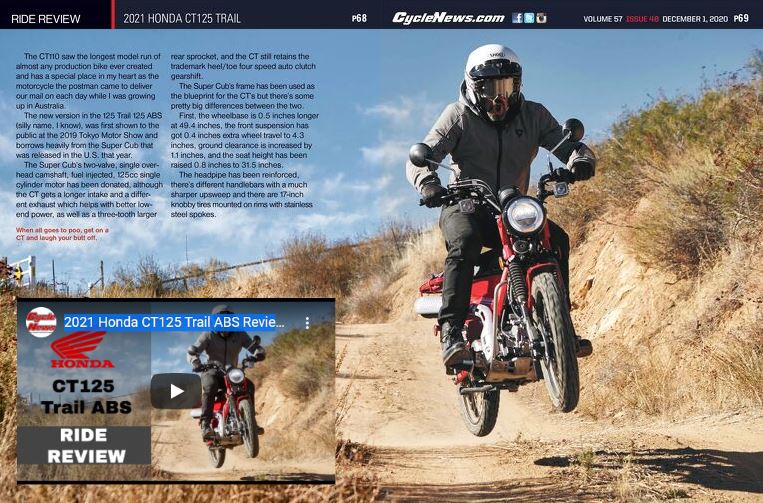
The Honda CT125 is back/new for 2021. Turns out Herb was onto something all those years ago.
Herb Uhl Herco Engineering Boise ID
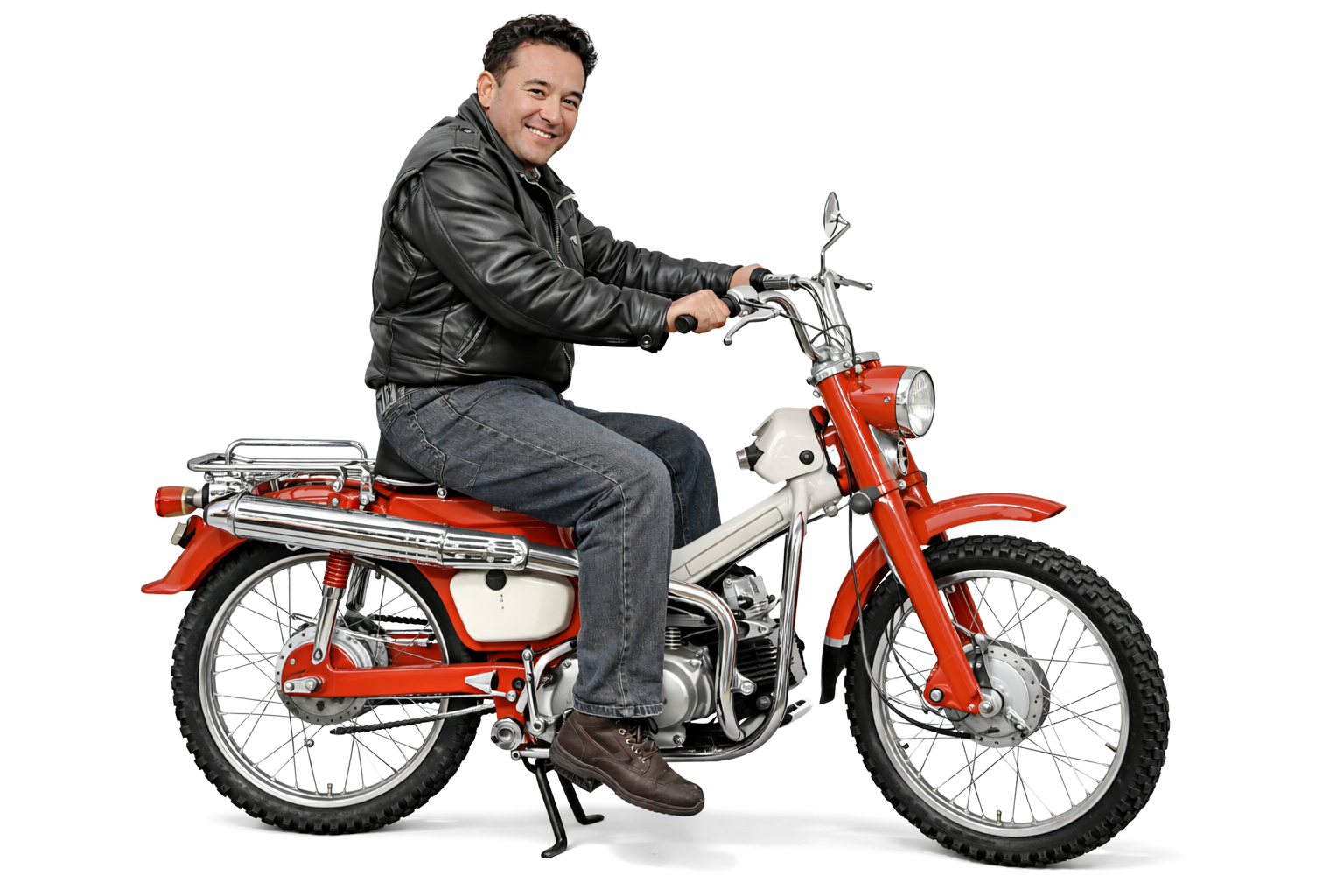
Back in 1960, there was a Honda dealer in Boise who was selling far more Honda 50 step-thru motorcycles than a dealer nestled in the mountainous ranges of Idaho had any right to.
That man, Herb Uhl, had noticed the rugged ability of Honda’s 50 before even Honda had. (To be fair, Honda had only been in the U.S. for one year at that point.) And he had been taking The Little Bike That Could and throwing a few choice mods at it, like knobby tires, removing the leg guards, and fitting a larger rear sprocket to turn it into a trail bike.
Buyers were snapping these things up left and right, and it eventually came to the attention of Honda in California, so Herb sent one of his creations to the U.S. HQ for a bit of analysis by Honda’s Jack McCormack, then sales manager of American Honda.
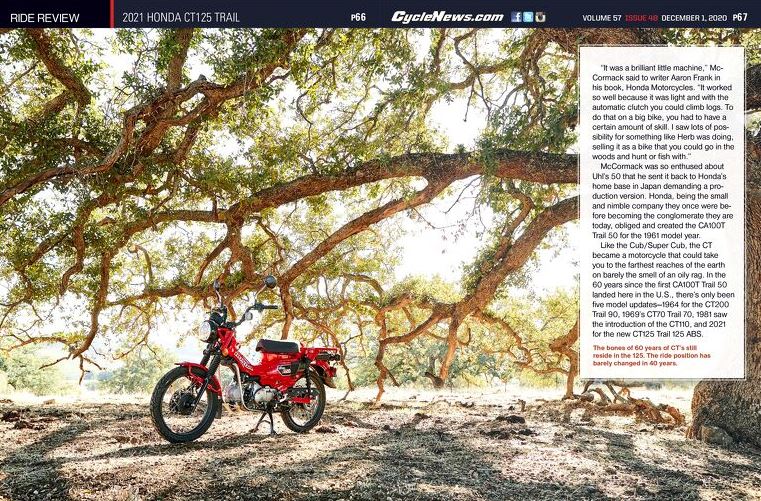
It was a brilliant little machine,” McCormack said to writer Aaron Frank in his book. Honda Motorcycles. “It worked so well because it was light and with the automatic clutch, you could climb logs. To do that on a big bike, you had to have a certain amount of skill. I saw lots of possibilities for something like Herb was doing, selling it as a bike that you could go in the woods and hunt or fish with.
McCormack was so enthused about Uhl’s 50 that he sent it back to Honda’s home base in Japan demanding a production version. Honda, being the small and nimble company they once were before becoming the conglomerate they are today, obliged and created the CA100T Trail 50 for the 1961 model year.
Like the Cun/SuperCub, the ST became a motorcycle that could take you to the farthest reaches of the earth on barely the smell of an old rag. In the 60 years since the first CA100T Trail 50 landed here in the U.S., there’s only been five model updates – 1964 for the CT200 Trail 90, 1969’s CT70 Trail 70, 1981 saw the introduction of the CT110, and 2021 for the new CT125 Trail 125 ABS.
The bones of 60 years of CT’s still reside in the 125. The ride position has barely changed in 40 years.
The CT110 saw the longest model run of almost any production bike ever created and has a special place in my heart as the motorcycle the postman came to deliver our mail on each day while I was growing up in Australia.
The new version in the 125 Trail 125 ABS (silly name, I know), was first shown to the public at the 2019 Tokyo Motor Show and borrows heavily from the Super Cub that was released in the U.S. that year.
The Super Cub’s two-valve, single overhead camshell, fuel-injected, 125cc single cylinder motor has been donated, although the CT gets a longer intake and a different exhaust which helps better low-end power, as well as a three-tooth larger rear sprocket, and the CT still retains the trademark heel/toe four-speed auto clutch gearshift.
The SuoerCub’s frame has been used as the blueprint for the CT’s but there’s some pretty big differences between the two.
First, the wheelbase is 0.5 inches longer at 19.4 inches, the front suspension has got 0.4 inches extra wheel travel to 4.3 inches, ground clearance is increased by 11 inches, and the seat height has been raised 0.9 inches to 31.5 inches.
The headpipe has been reinforced, there’s different handlebars with a much sharper upsweep and there are17-inch knobby tires mounted on rims with stainless steel spokes.
Disc brakes front and rear have been fitted to replace the CT110’s drum brake setup, and the gas tank gets an extra 0.4 gallons of capacity to register 1.4 gallons. Finally, there’s a step guard to protect the bottom of the motor.
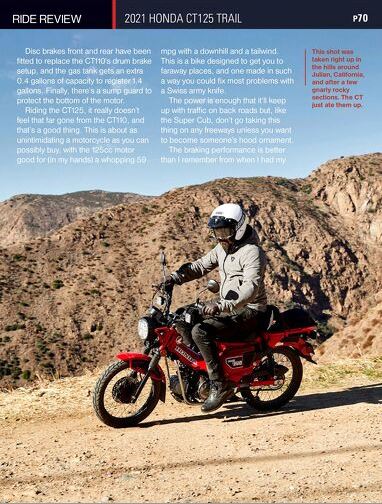
Riding the CT125, it really doesn’t feel that far gone from the CT110, and that’s a good thing. This is about as unintimidating a motorcycle as you can possibly buy, with the 125cc motor good for (in my hands) a whopping 50 mpg with a downhill and a tailwind. This is a bike designed to get you to faraway places, and one made in such a way you could fix most problems with a Swiss army knife.
The power is enough that it keeps up with traffic on back roads but, like the Super Cub, don’t go taking this on any freeways unless you want to become someone’s hood ornament.
The braking performance is better than I remember from when I had my
I recently read an article in Motorcycle Consumer News by David L. Hughes where he lamented that the average age of motorcycle riders had moved up into the high-50s when it used to be in the mid-20s.
There are essentially two main factors that have caused this to happen. The first was caused by Honda, with their very vocal insistence that all the manufacturers drop the big selling two-stroke first bikes from their lines and build four- strokes only.
This caused a major problem in the motorcycle sport, while giving the manufacturers an immediate surge of extra profit, because they could get more money for a four stroke and its replacement parts.
This change in what models were available in the marketplace caused three things to happen almost simultaneously to our sport.
Fewer people were able to afford that first play bike, which would set the new riders desire, for more and newer motorcycles
When that expensive to repair four stroke broke down, it didn’t get repaired, so the new riders chance to become an enthusiast was cut short.
Motorcycling, as a sport, was proved to be too expensive, so even fewer people bought that first bike.
That’s how the decline started. Simultaneously with those manufacturing decisions, taxes went up drastically and indirectly, by cutting the value of our currency.
Before this all started, back in the 60s and 70s, I sold hundreds of good solid 250 cc two-stroke first bikes for $695 plus tax out the door. If the buyer did something dumb and forgot about oil, for less than $100 they were up and running again. The development of a crop of new enthusiasts was guaranteed by both economics and fun.
Right now there’s nothing to compare to that, even though the people still have the ability to spend up to about $1000 for a fun bike in the 150 cc to the 250 cc class. So what would that $1000 motorcycle cost them now? My guess is that in today’s currency it would cost somewhere between $7000 and $10,000. It’s really easy to believe that prices have just gone up, when the reality is, that money value has been pushed down, to where things we used to buy for pocket change now cost a bale of money. Lowering the value of money, simply becomes a hidden tax.
So now, it’s not only that they can’t get the bike for the thousand dollars, but when the new rider breaks the more delicate and harder to repair four stroke, it will cost the thousand dollars just to fix it. The net result is the loss of not just that new motorcycle enthusiast but all his buddies who have now had it proven to them that people who buy motorcycles to enjoy are fools.
Can this lack of new “motorcycle enthusiasts” problem be fixed? Certainly but the manufacturers are going to have to take some of that big money they made by following Hondas shortsighted 4-stroke ideology and design some 1970s style 2-stroke 150cc and 250cc play bikes, at a small margin price point, and get the motorcycle enthusiasm started again. Remember it was well on the way when they squelched it by following Honda’s advice and dropping their reasonable to manufacture and repair two-stroke first bikes and going to all four-strokes.
Now it’s up to the manufacturers to combine their engineering talent and design a line of almost generic self-oiling two-stroke beginner bikes and get the motorcycle boom on the move again. It is also important for the different brands to have easily identifiable small differences to give the owners reasons to brag about how much better their brand is than Brand X, while they all have identical internals to keep the cost down.
Bragging about those obvious differences has always been an important part of the enthusiast experience!
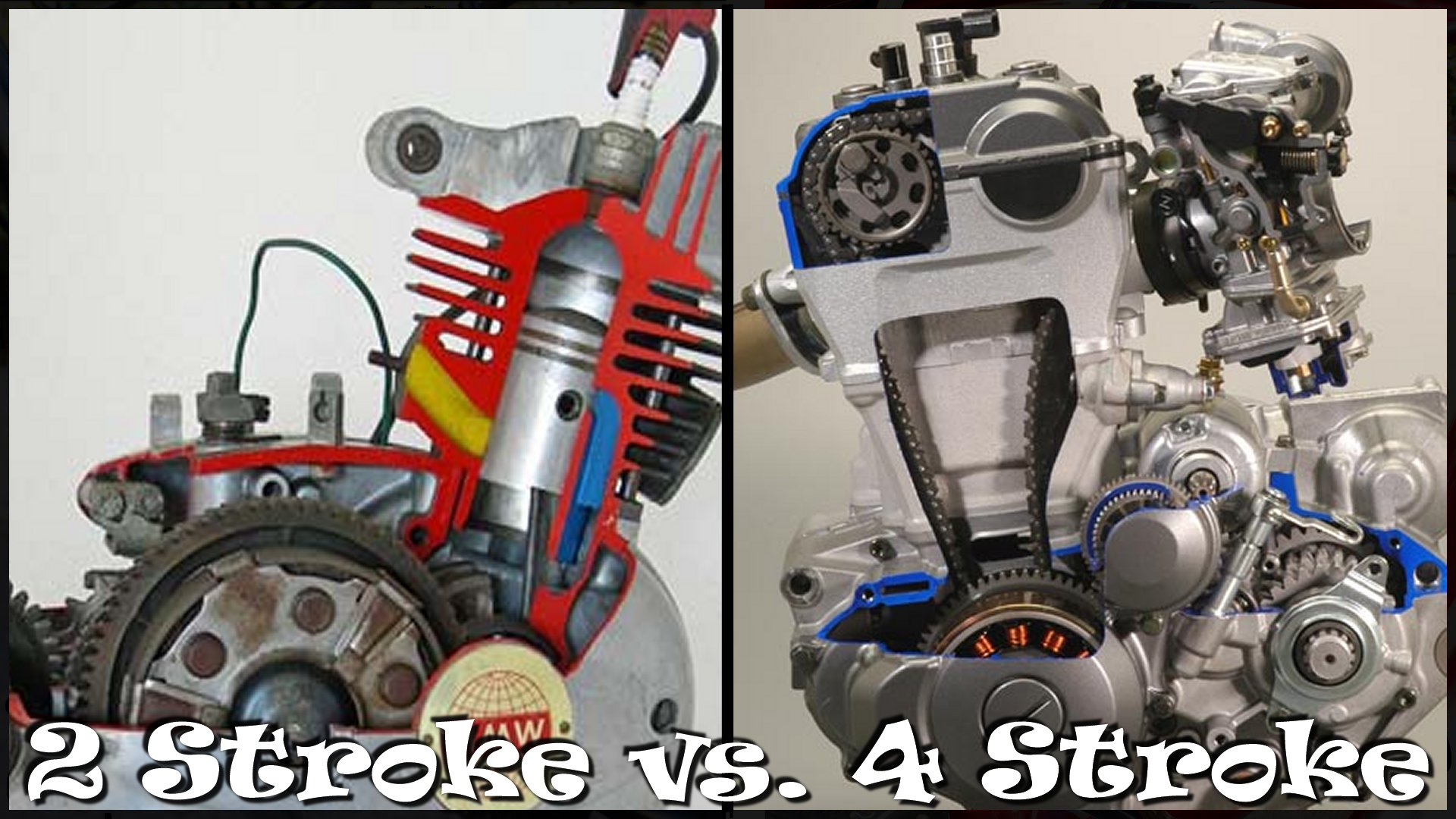
For all you folks who don’t understand two-strokes and think more is better, I’ll try to explain why the two-stroke is superior anytime you want efficiency, ease of manufacture, lightweight and reasonable maintenance.
In a two-stroke engine every time the piston moves down in its bore you get one power stroke. (Two strokes, one stroke up and one stroke down.)
In a four- stroke engine every two times the piston moves down in its bore you get one power stroke. (Four strokes, two strokes up and two strokes down.)
Do all of you now understand that in a four stroke engine the piston has to slide up-and-down twice before you get any power, while in a two-stroke it only has to do that once to get your power? So you see, in this case, two really adds up to more than four.
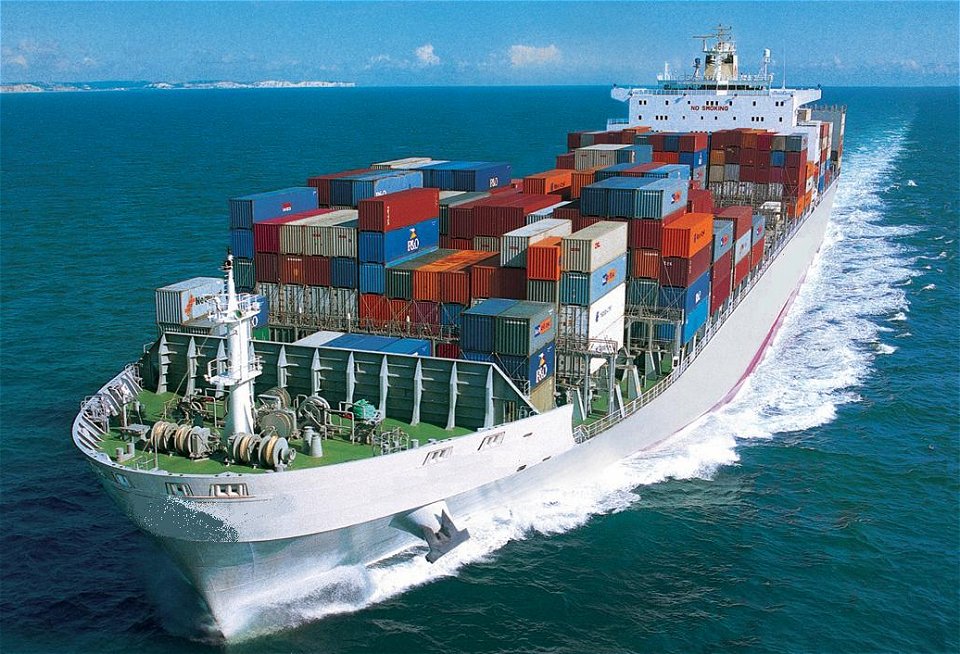
Another thing you may not be aware of about the huge container ship that hauls those crated motorcycles to the US, the ship itself probably has a huge two-stroke engine, because they are more efficient and economical, and its engine may have been built by Kawasaki.
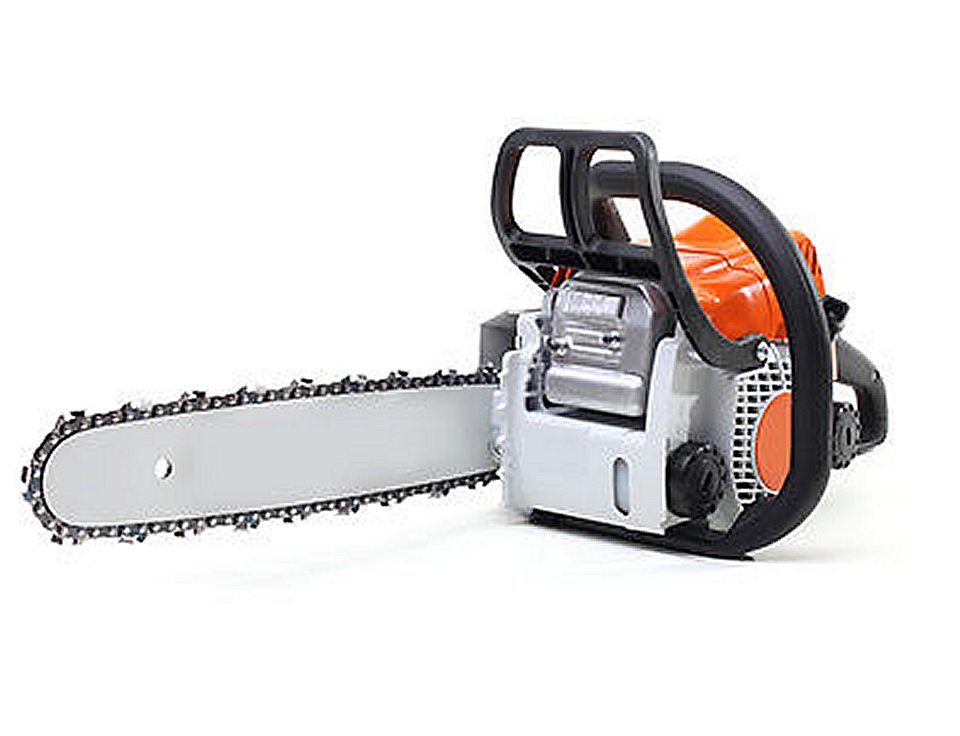
The pistons are so big in those container ship two-stroke engines you could use them for picnic tables. They give those ships the advantage of better fuel mileage and way lower overall operating costs. Chainsaws also use two-strokes because they are dependable and just plain more energy dense. (More power in the smallest space.)
In motorcycles they have those same advantages along with the fact that they give the bike a lower center of gravity, because there are no heavy cams valves chains etc. high on the engine. Even the carburetor or fuel injections are mounted lower on the two-stroke engine. The two-stroke engine is so simple that most any person can do a complete upper end tear down with zero training in about 20 minutes.
If there are any of you folks who still can’t understand why two- strokes are superior as lightweight motorcycle engines, something else is dense and it’s not energy. There should still be plenty of small four- strokes available to supply the hardheads.
The bottom line is, we need two- stroke play bikes back, if we intend to revitalize the motorcycle industry, and lower the average age of riders again.
In designing a motorcycle there are several critical measurements that must first be finalized.
From watching customers decide which bike to buy, over the years, and from my own riding experience, the first and most important measurement to be locked in should be the seat height. After all, these machines should be built to fit people and people come with various inseam lengths, within certain ranges.
Currently, go anywhere all-purpose motorcycles called “adventure bikes” seem to be built for people who are in the 32 through 36-inch inseam range. There simply are no all-purpose motorcycles built for the 25 inch through 30-inch inseam range.
In reality what this means is approximately 60% of the world’s population can’t buy a “go anywhere adventure type motorcycle” to fit their body at any price. The only motorcycles available to them are some of the cruiser models and motorcycles built for young children to learn on.
To put this into perspective the adventure type bike is the popular two-wheel equivalent of the crossover style car that’s the biggest seller now in the automotive market.
It seems to me there is a huge chunk of business available to the company who takes the time to develop a line of go-anywhere motorcycles to fit the 25-inch through 30-inch inseam range of people. With all the millions of short people, which includes most females and a huge percentage of males available as customers, that market could be larger than the current motorcycle market we see now.
Some original design work will have to be done for sure, but the prize available in the end will be a whole new market for motorcycles every bit as large as the current market or larger.
To see if you would be a customer in this new market segment simply measure your inseam length.
It’s an often ignored safety issue, but the closer you can come to being able to touch the ground flat-footed at stops or in panic situations, the more control you have over your motorcycle.
My motorcycle passion has always been in trail riding and off-highway competition. To do that with my 27-inch inseam length, I’ve always had to build my own special motorcycle frames with components from various bikes to achieve the control and comfort I desired. One thing I learned early on, was that the maximum suspension travel I could use with my inseam length was 7 inches.
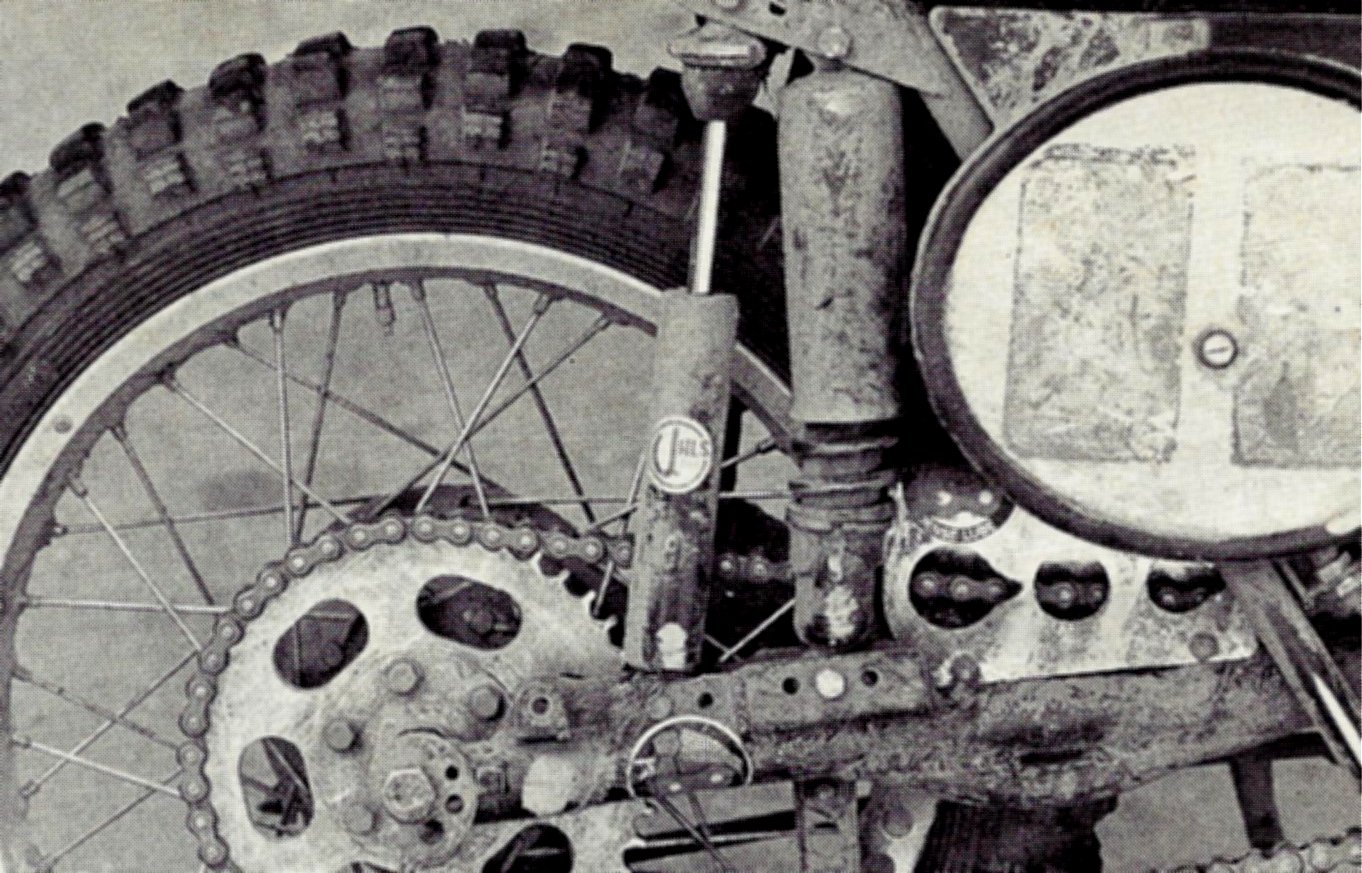
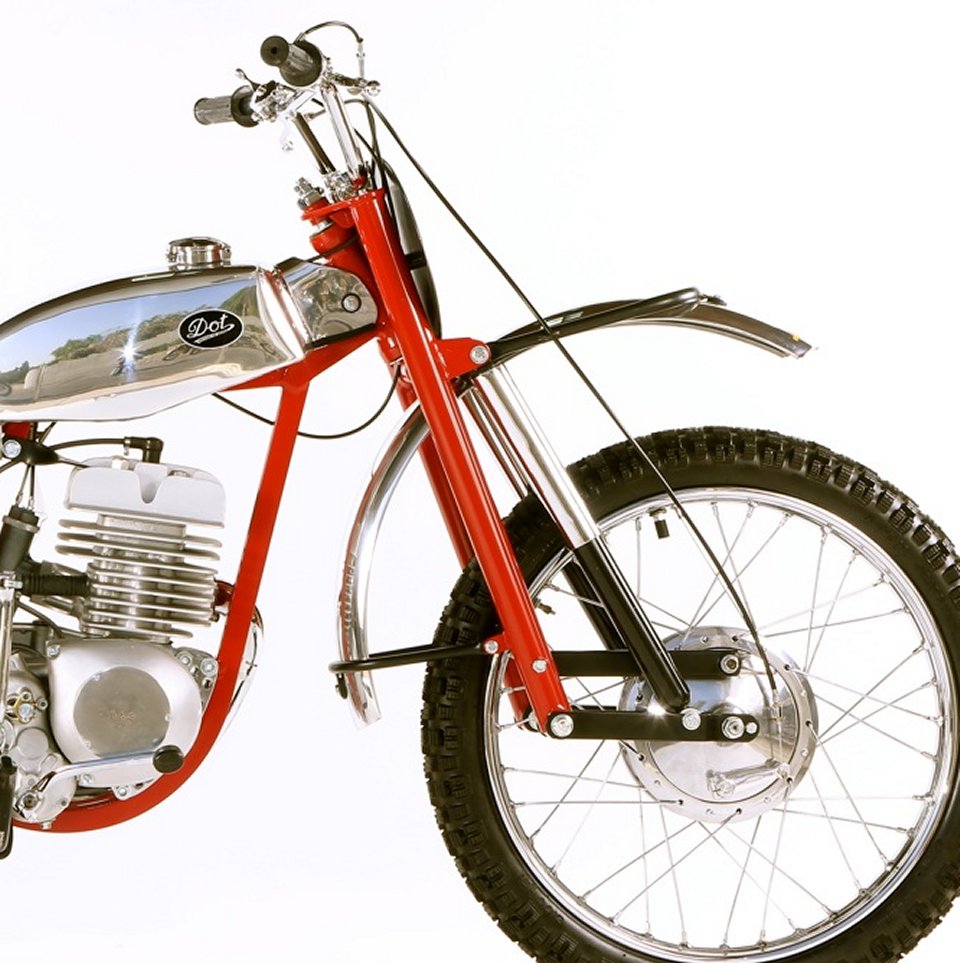
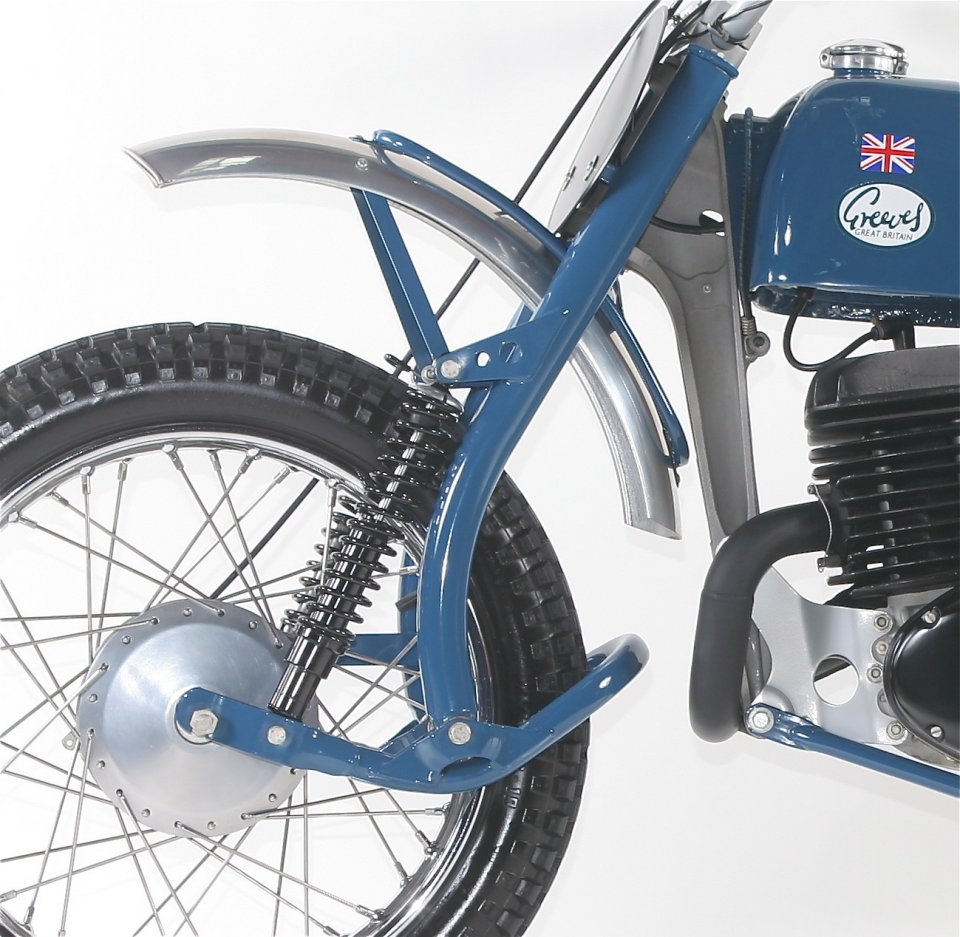
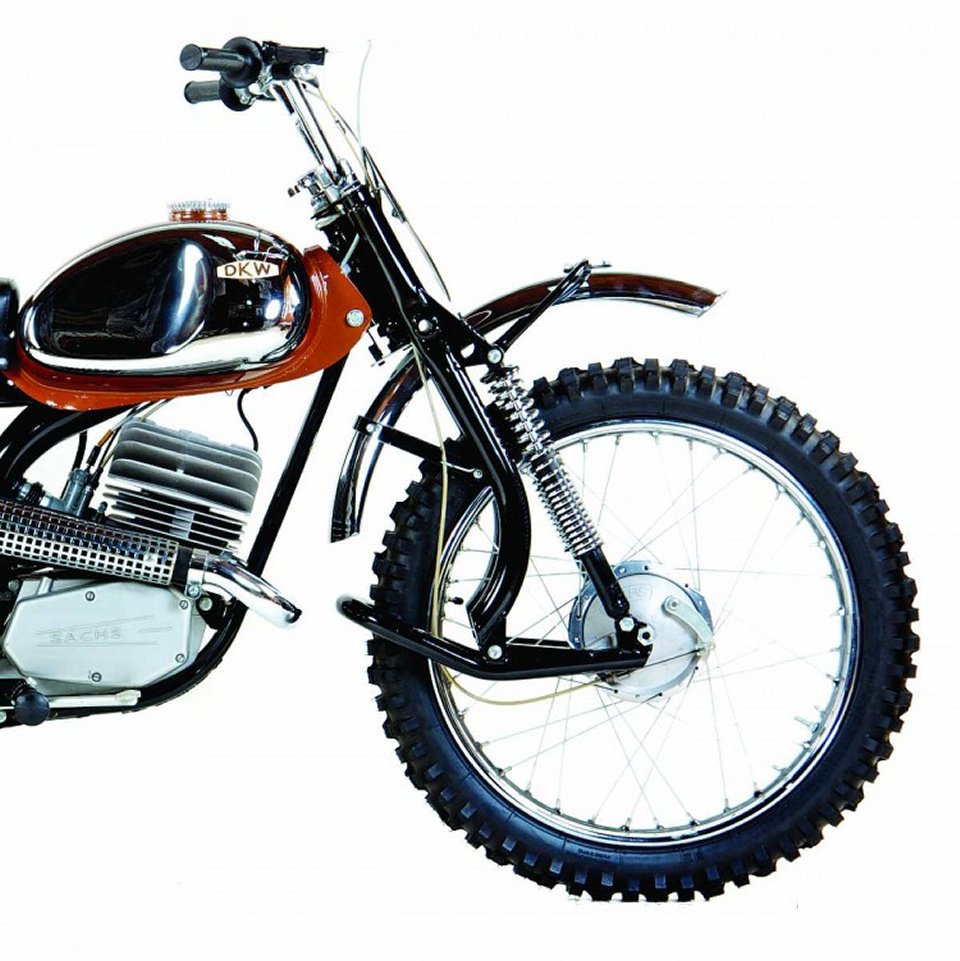
My effort then became to experiment with various 7-inch travel forks to see which ones gave me the control, handling, comfort and safety trail riding and off-road racing required, with my inseam length. The best handling and smoothest riding ones were leading link forks from Dot, Greeves and Sachs.
1964 DOT leading forks
1967 Greeves leading link fork
Sachs/DKW leading link forks
Both Dot and Greeves had relatively useless Villiers engines, so I simply used their forks, which were great, with much higher tech engines from other makers in my modified 29-inch seat height frames. With about 2 inches of suspension sag, as my weight found the seat, I could put my feet flat on the ground. With my race clothes on, and ready to ride, my weight was right in the 160-pound range so it didn’t take huge engines to make me very competitive overall.
So there I was racing through the forest, or the desert, in relative comfort as most of those around me were wearing themselves out on motorcycles that didn’t fit them and certainly didn’t ride as good as mine.
Motorcycle testers for the various motorcycle magazines all over the world ignore one of the main considerations most people have when they are shopping for a new bike. Will it fit me?
That all starts with being able to touch the ground flat-footed while sitting on the bike. Of course, a motorcycle enthusiast will climb on a box, if necessary, to get on a bike just to get another ride so seat height means very little to him. He simply does whatever acrobatics it takes to ride it, but he will never be as good on it as he would be if it fit him.
To eventually get to be an enthusiast you first have to ride bikes that fit your body. Inseam length is the deciding factor in making a bike fit you.
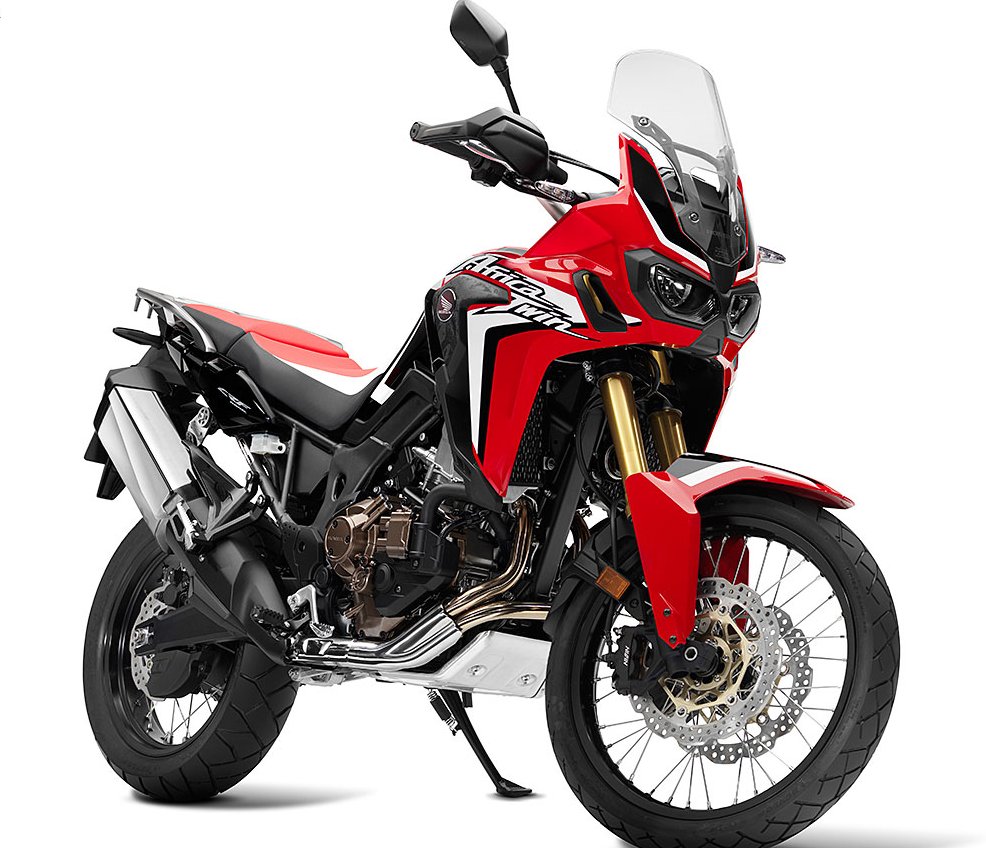
In testing Honda’s Africa Twin, Cycle World magazine said: “Moreover, using a parallel twin gave the bike a narrow waist that makes it easy for the rider to get his feet flat on the ground”. That model Honda has a seat height of 33.5 to 34.3 inches. In this case, the motorcycle tester knows it’s desirable to put your feet flat on the ground when sitting on your bike, but having him assume riders have a minimum of a 34-inch inseam is not that easy to forgive. After all, I am a rider, who has a 27-inch inseam.
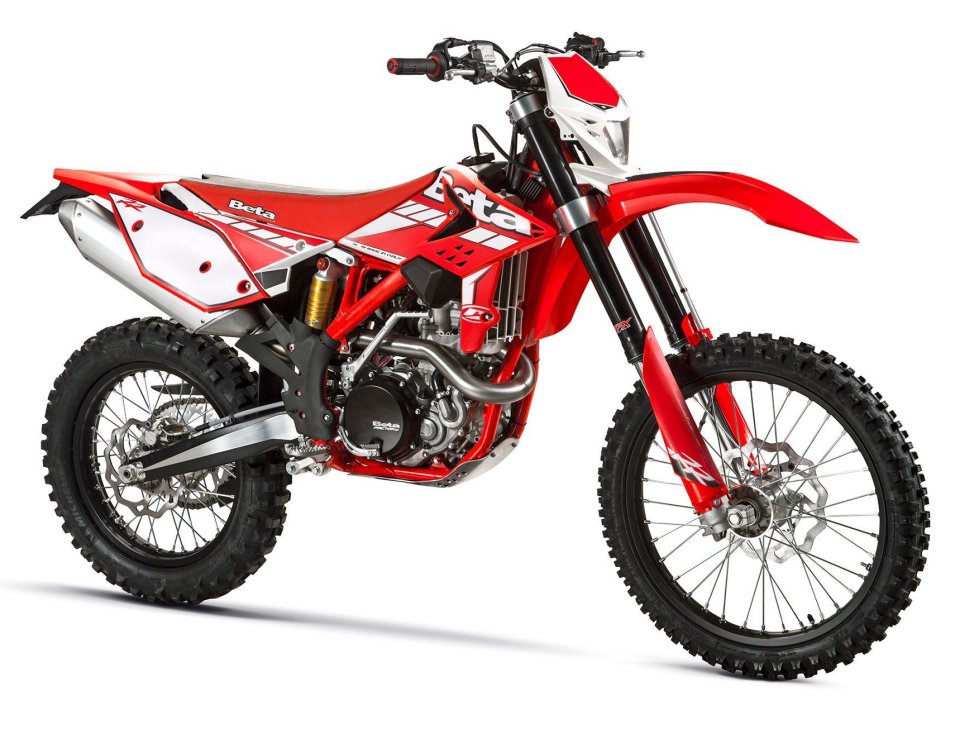
I recently read a short article in Cycle News online magazine about the new Beta 125 RR – S, a trail bike targeted at the new rider and the author says as follows: “It has a low 35.5-inch seat height”.
That seat height can only be low to someone with a 36 inch or longer inseam. So the bike must be made for beginners close to 6 foot or taller. It is certainly not made for the bulk of the people, both men and ladies, whose inseam’s range from around 25 to 30 inches.
To most people a 27-inch seat height would be more in the ballpark, then the majority of us could more or less sit on the bike flat-footed.
If the motorcycle testers were serious about really doing their job, they would have people with various inseam lengths sit on the bikes to test and actually see what would be the shortest inseam a rider could have and still touch the ground flat-footed. That way when you go shopping for a bike you would know which models to start looking at first.